

Returning to Scuba Diving After a Long Break
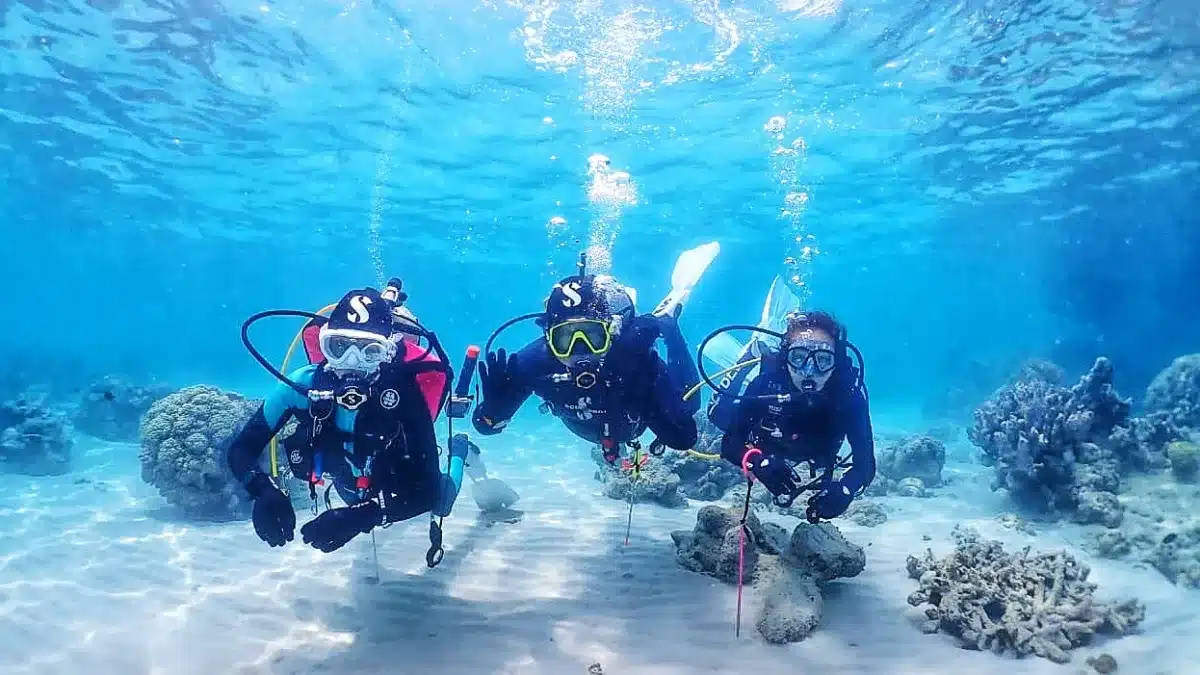
Your certification card does not expire, but the skills behind it do get rusty. Most divers who return after a few years still remember how to breathe from a regulator. What slips is everything around it: assembling the gear without thinking, holding a steady depth, clearing a mask calmly and reading the dive computer.
A long break rarely means repeating your Open Water course. It does mean checking four things before you go back in: your health, your equipment, your skills and the dive you choose first. This guide covers each one, with notes on easing back in on a Bali day trip.
How Long Is “Too Long” Between Dives?
There is no expiry date on diving ability, but there is guidance. Divers Alert Network (DAN) notes that skills begin to fade after as little as six months without diving, and that most dive educators consider one to two years of inactivity enough to warrant refresher training.
Experience changes the picture. Someone who logged 150 dives before a two-year gap is in a different position from someone who finished their course, did four more dives and stopped. Use this table as a starting point, not a rule.
|
Time since your last dive |
Newly certified or few dives |
Experienced, regular diver before |
|---|---|---|
|
Less than 6 months |
Usually fine to join a guided fun dive. Mention it if your last dives felt stressful. |
Usually fine to join a guided fun dive. |
|
6–12 months |
A skills review is worth considering, especially if you only did your course dives. |
A thorough briefing and an easy first dive usually cover it. |
|
1–2 years |
Refresher recommended. |
Refresher worth considering. Many operators will suggest one. |
|
More than 2 years |
Refresher strongly recommended, including a theory review. |
Refresher recommended. Treat the first dive as a check dive. |
This is general guidance based on DAN’s advice, not an SSI or PADI standard. The instructor’s assessment on the day matters more than any table.
Health, Gear, Skills, Site: Where to Start
Work through these in order. Each one can change what comes next: a medical issue may delay the trip, and a gear problem is far easier to fix at home than at the dive site.
On our own trips, the refresher is optional. When a diver last dived about a year ago, we usually tell them it is not strictly needed. We suggest it when comfort or confidence has slipped, whether that is with the skills in the water or the theory behind them.
Health
Any new condition, surgery or medication since your last dive? Answer the diver medical questionnaire honestly.
Equipment
Have your own gear serviced, or plan to rent and allow time to learn the setup.
Skills
Decide whether you need a refresher, based on time away, experience and how your last dives felt.
First Dive
Choose a shallow, easy site with a dive professional, then build up from there.
Health: Be Honest About What Has Changed
Before any dive training, including a refresher, you complete a diver medical questionnaire. If you answer yes to any question, expect to need a doctor’s approval before you get in the water. Bring the signed form with you rather than trying to arrange it in Bali at the last minute.
Some changes are easy to overlook: a new blood pressure medication, asthma that has come back, back surgery or a pregnancy. After a serious illness, DAN advises talking to your physician about your plan to return to diving. A doctor familiar with dive medicine is the best person to ask.
Fitness matters too, and not only underwater. In Tulamben you walk across a stony beach carrying a tank. On a boat trip you climb a ladder in full gear, sometimes in a swell. If either of those sounds tiring right now, start regular swimming or walking a few weeks before your trip.
While you are checking things, make sure your travel and dive insurance is still current. Old policies lapse quietly.
Equipment: Service It or Rent It
Gear that has sat in a cupboard for three years can look perfect and still fail. Rubber and silicone perish, O-rings dry out, and regulators need servicing on the manufacturer’s schedule whether you dived or not.
If You Are Bringing Your Own Gear
If You Are Renting
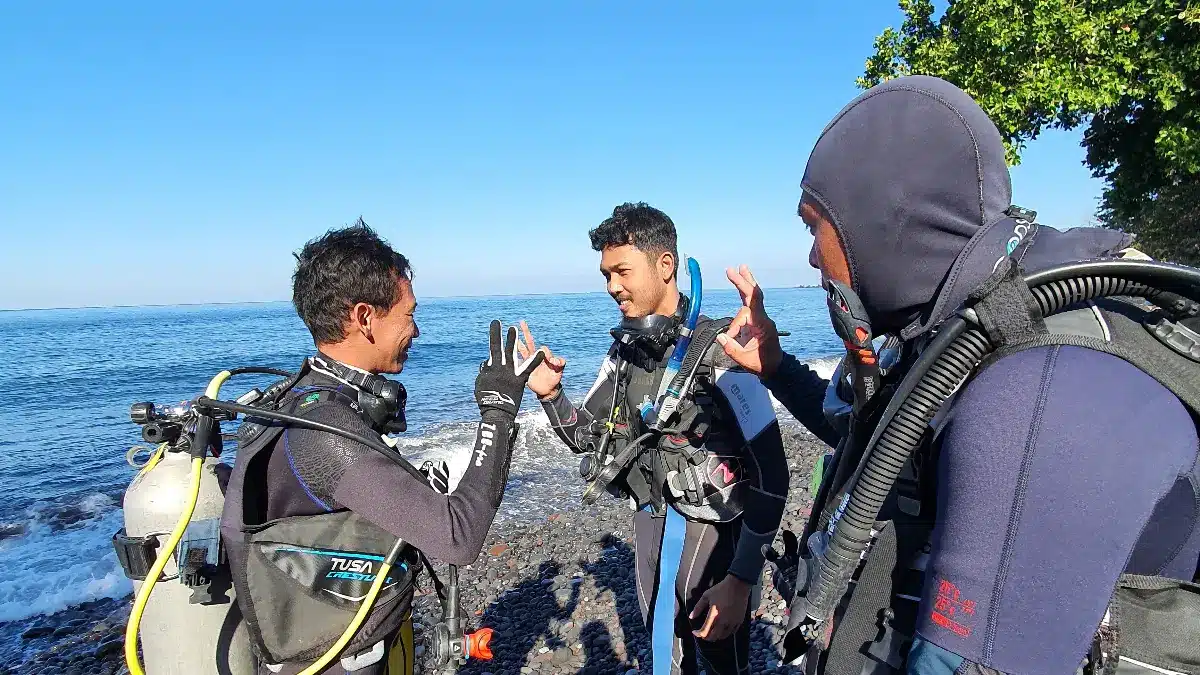
Diving equipment is included in our Fun Dive day trip, so renting is the simplest option for many returning divers. The catch is that rental gear may differ from what you used before: different inflator buttons, a different computer, or integrated weights instead of a belt. Ask for a walk-through before you kit up. Our guide to getting comfortable with rental scuba gear lists the fit checks worth doing.
Weighting is the other thing to revisit. If your body weight or wetsuit has changed, your old number may no longer be right. See how much weight you actually need for scuba diving.
Do You Need a Scuba Refresher?
A refresher is not a new course. You review the skills from your Open Water training in shallow, calm water with an instructor, who spends more time on whatever feels shaky. SSI calls its version the Scuba Skills Update, with a maximum training depth of 5 metres and no fixed duration. PADI’s equivalent is ReActivate, which pairs a knowledge review with an in-water session.
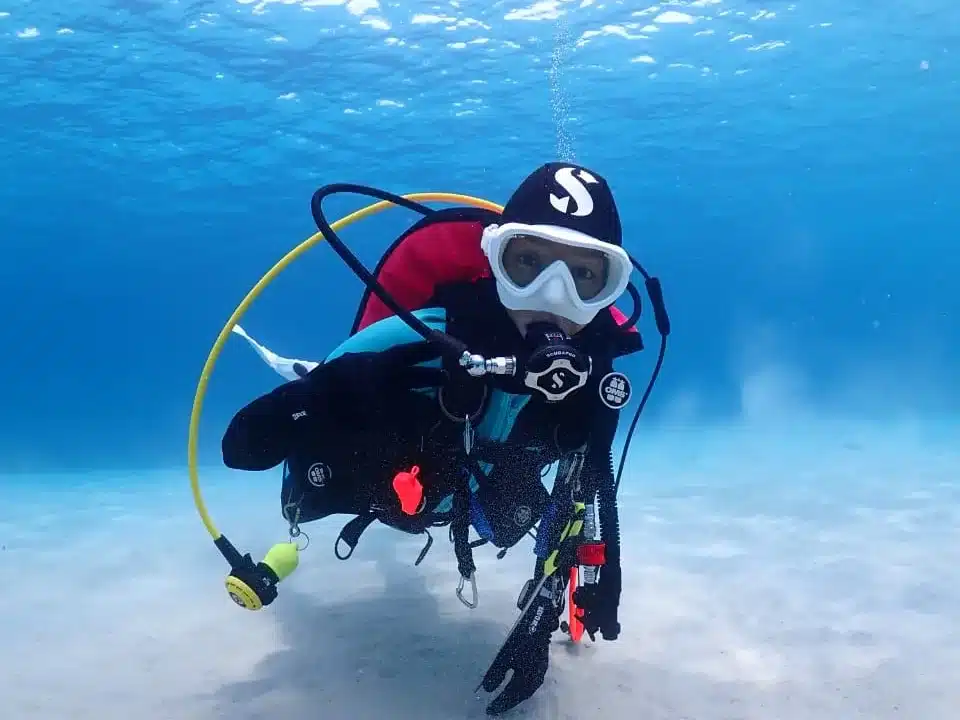
A typical skills review covers:
Book One If Any of These Sound Familiar
If you are unsure, do the refresher. It costs far less than a holiday spent anxious underwater, and it usually makes the fun dives that follow more relaxed.
Refresher Options on a Bali Fun Diving Day Trip
Bali Fun Diving is an SSI dive center based in Sanur. When you book a Fun Dive day trip, you can add a Scuba Refresh/Review. Mention the date of your last dive when you book.
How the Same-Day Refresher Works
- A briefing on the way. Your dive leader goes over the basics during the car or boat ride, so no time is lost at the site.
- 10–20 minutes in shallow water. The first dive starts with skills practice in shallower water, where the dive leader sees how you feel and helps with anything that has gone rusty.
- Straight into the fun dive. Once you are comfortable, the dive carries on with your group. You still do the full number of dives on the trip.
Groups stay small, with a maximum of three divers per guide. On Tulamben trips, you can also ask for the refresher to be done as pool practice before the shore entry.
What Returning Divers Told Us
Back after 10+ years
“Our instructor, Agus, was super patient and encouraging throughout the refresher. He made sure we were comfortable before each dive.”
Melissa L., Google review
Trouble equalising
“I ended up having some issues equalizing but he worked with me to stay at a depth that I was comfortable with.”
Jessie Y., Google review
Back after 8 years
“…regularly checking on my comfort with water pressure and currents while offering valuable tips to maintain buoyancy.”
Edmund L., Google review
Read more reviews from our divers on Google
If you would like closer attention, you can also add a private divemaster or instructor. This suits nervous returners, couples who dive at different levels, and anyone who wants the pace set around them.
Choosing Your First Dive Back in Bali
DAN’s advice for the first dive after a break is straightforward: do not dive alone, go with a divemaster or instructor, and choose a shallow site with little or no current and no major hazards. In Bali, that usually means saving the well-known current sites for later in your trip. If you are not sure whether a shore or boat entry suits you better, compare them in shore diving vs boat diving in Bali.
One newly certified pair, almost a year out of the water, told us in a Google review that their guide suggested “an easier dive first to practice our skills” at Amed’s Pyramids and Jemeluk, before Nusa Penida the next day.
|
Destination |
Why it can suit a first dive back |
Think about |
|---|---|---|
|
Shore entry, and the USAT Liberty wreck starts at about 5 metres, so you stay in control of depth. |
Walking across the stony beach with gear, and waves at the entry on some days. |
|
|
About 10 minutes from shore by traditional boat. Known for a white sandy slope with cuttlefish, turtles and octopus. |
Conditions differ between sites. Ask which one is planned for your level. |
|
|
Nusa Penida |
Manta rays and big reef walls draw many divers to Bali. |
Strong currents, and a speedboat crossing that can be rough, especially towards Manta Point. From July to October, the water can drop to about 19°C. Better once your skills feel solid again. |
The stony entry at Tulamben catches people out. One diver returning after seven years thanked a second instructor who “helped me when I was struggling to keep my balance during the Tulamben shore dive!”
Conditions change daily, so the team may suggest a different site on the day. A familiar name does not mean familiar conditions, even if you dived there years ago. Here is how dive centers adjust plans when conditions are not ideal.
Diving at Nusa Penida, Padang Bai or Candidasa between July and October? Bring your own hood, gloves or thermal vest if you feel the cold, because we do not rent them. A 3mm shorty is available to rent as an extra layer over your wetsuit.
Your Certification Card Only Tells Half the Story
A certification card shows what you were trained to do. It says nothing about when you last did it. That is why two divers with the same level of training can need very different first days in Bali.
|
Compare |
Diver A |
Diver B |
|---|---|---|
|
Certification |
Advanced Open Water |
Open Water |
|
Logged dives |
About 60 |
12 |
|
Last dive |
2019 |
Last month |
|
A sensible first day |
Refresher add-on, then an easy shore dive |
Guided fun dive at a site that suits their experience |
The details that help most are your agency and level, a rough dive count, when and where you last dived, how those dives felt, any health changes, and whether you will rent gear. An estimate is fine. Nobody expects a perfect logbook after five years away.
Send these details by WhatsApp or email with your preferred date. The team can then suggest a plan for the day, including whether the refresher is worth adding.
After Your First Few Dives
Some divers feel settled again after one or two dives; others want a few days. Once you feel comfortable, it can be a good time to build on what you know. The Advanced Open Water course adds deeper and more varied dives under an instructor, and a specialty course such as buoyancy can fix the habits that bothered you before the break.
Base that decision on how your first dives actually went, not on how long you have held your card.
Coming Back to Diving in Bali?
