


Scuba Diving Blog
Flying After Diving: How to Plan Your Bali Holiday Around It
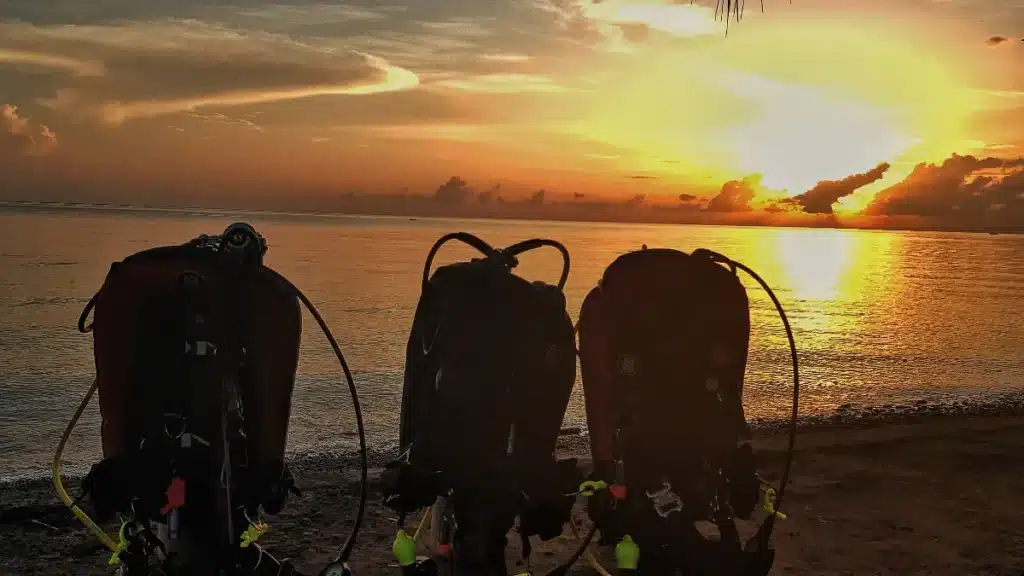
The rule itself is short: after a day of diving, wait at least 18 hours before you fly. What catches people out in Bali is everything around it, such as a 1 am flight that really belongs to the night before, or a sunrise trek up Mount Batur the morning after two dives. This guide…
Returning to Scuba Diving After a Long Break
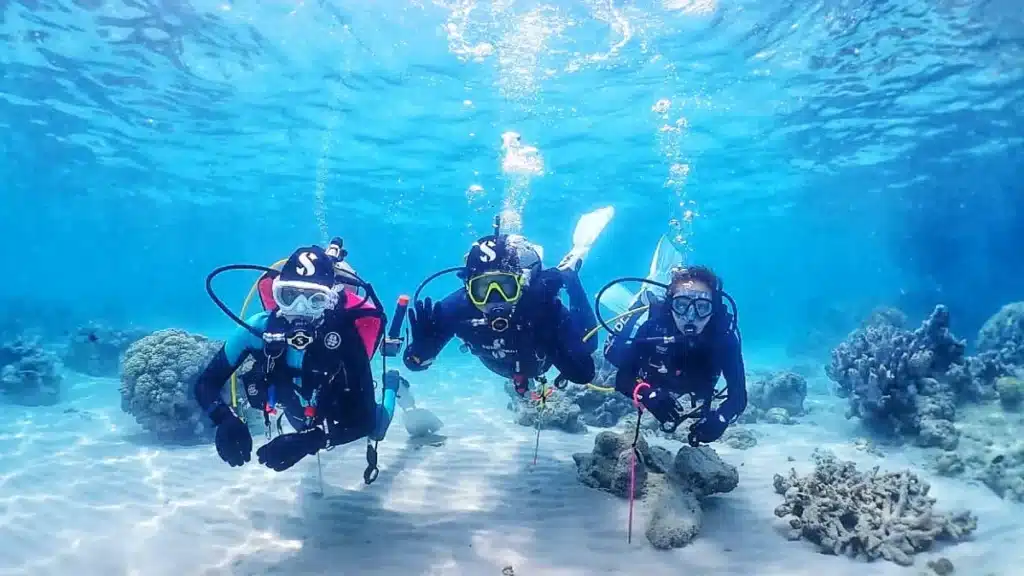
Your certification card does not expire, but the skills behind it do get rusty. Most divers who return after a few years still remember how to breathe from a regulator. What slips is everything around it: assembling the gear without thinking, holding a steady depth, clearing a mask calmly and reading the dive computer. A…
Bali Scuba Diving Packages: What’s Included and How to Compare Them
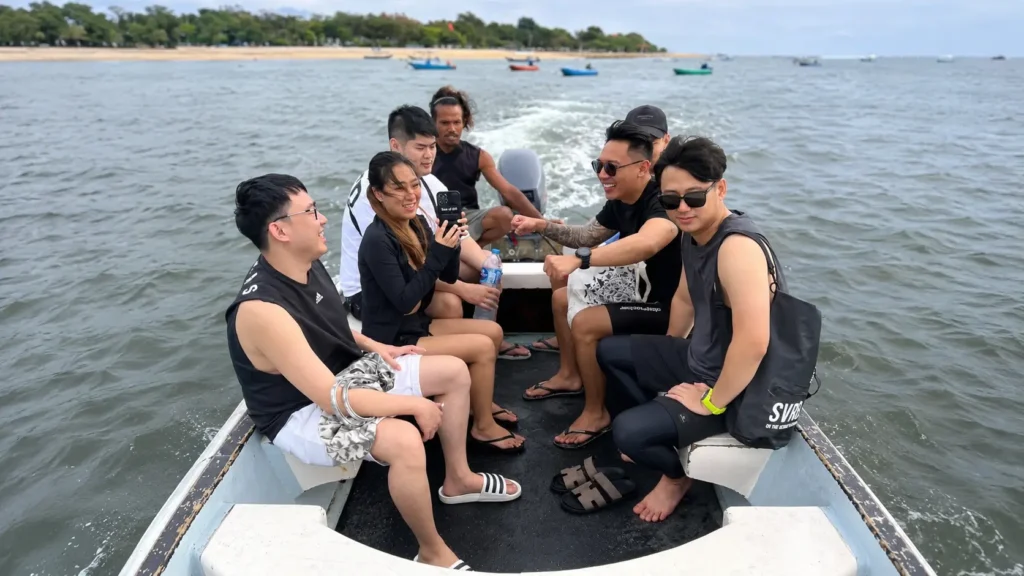
A scuba diving package can make a Bali trip easier to plan, but two offers with similar prices may cover very different experiences. One could be an instructor-led first dive, while another is a guided trip for certified divers. A multi-day package may return you to your hotel each evening; an overnight dive safari may…
Shore Diving vs Boat Diving in Bali
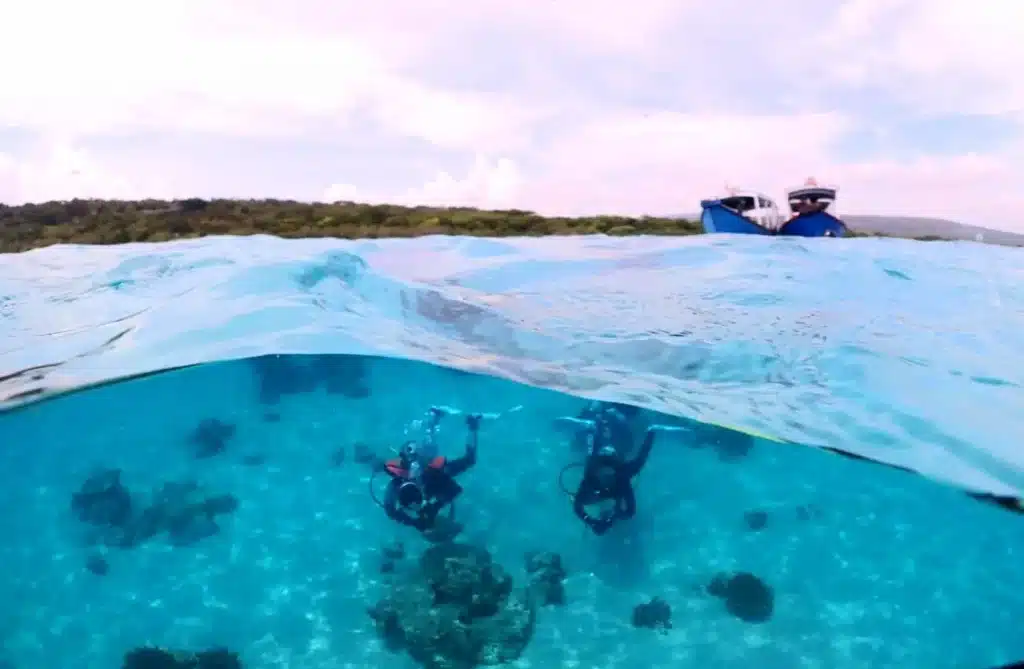
The main difference between shore diving and boat diving is how you reach the dive site. Shore diving starts from land, while boat diving starts from a boat. The better choice depends on the specific site, conditions, your experience, and how comfortable you feel entering and leaving the water. For a Bali diving holiday, it…
Choosing Between Try Scuba and an Open Water Course
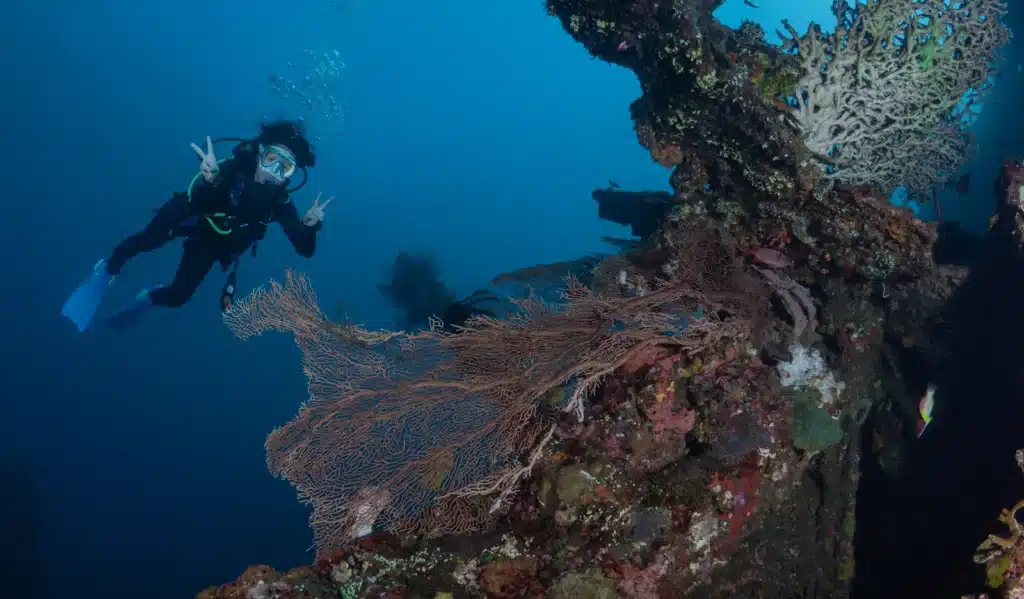
Your first dive in Bali can be a one-day experience or the start of a qualification. Both Try Scuba and the Open Water Diver Course welcome beginners, so previous diving experience is not what decides between them. Start with your available days, comfort in the water and plans for future trips. The comparison below shows…
Getting Comfortable With Rental Scuba Gear
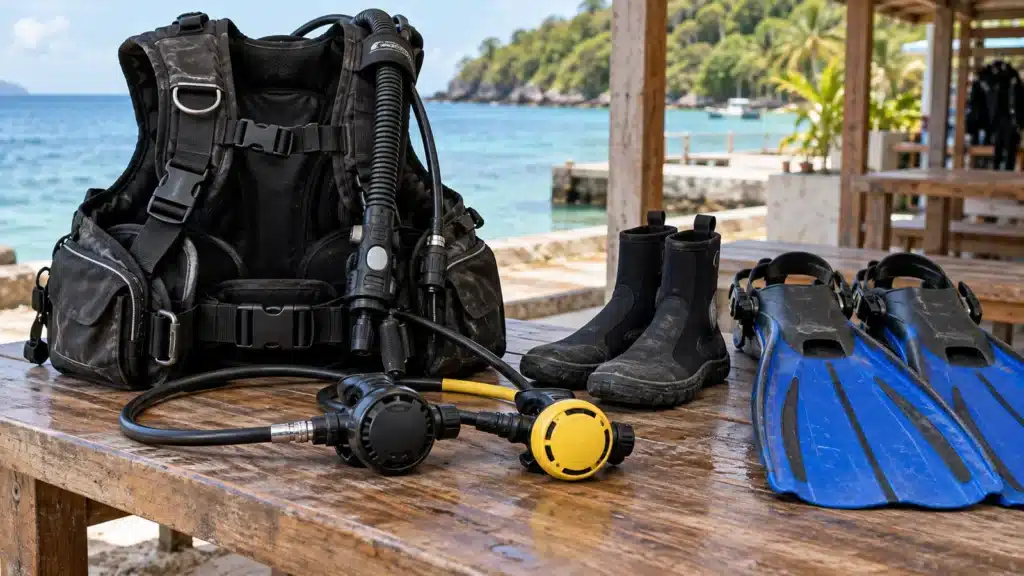
To get comfortable with rental scuba gear, try it on, learn the controls and ask for changes before entering the water. A different fit or layout may take getting used to, but pain or faulty equipment is a reason to pause. Get the Fit Right First Size labels vary between brands. Try the full setup…

Why Does My Scuba Mask Keep Filling With Water?
A scuba mask usually keeps filling with water because the silicone skirt is not sealing evenly against your face. Hair, a folded skirt, an overtightened strap or normal facial movement can leave a small gap. Start by checking the seal rather than pulling the strap tighter. Start with a simple reset at the surface: clear…
What Is a Thermocline in Scuba Diving?
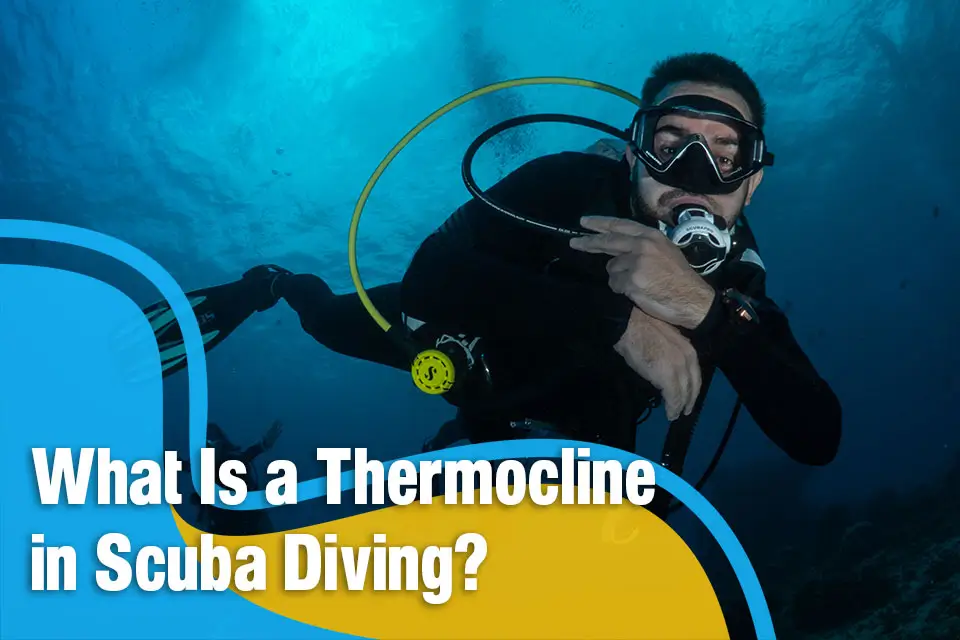
You start your dive in warm, comfortable water. Everything feels normal until you descend a little deeper and suddenly notice the temperature dropping. The water hasn’t changed color, and you may not see anything unusual around you. But you can definitely feel the difference. You’ve probably just crossed a thermocline. Thermoclines are common in many…
How Much Weight Do You Actually Need for Scuba Diving?
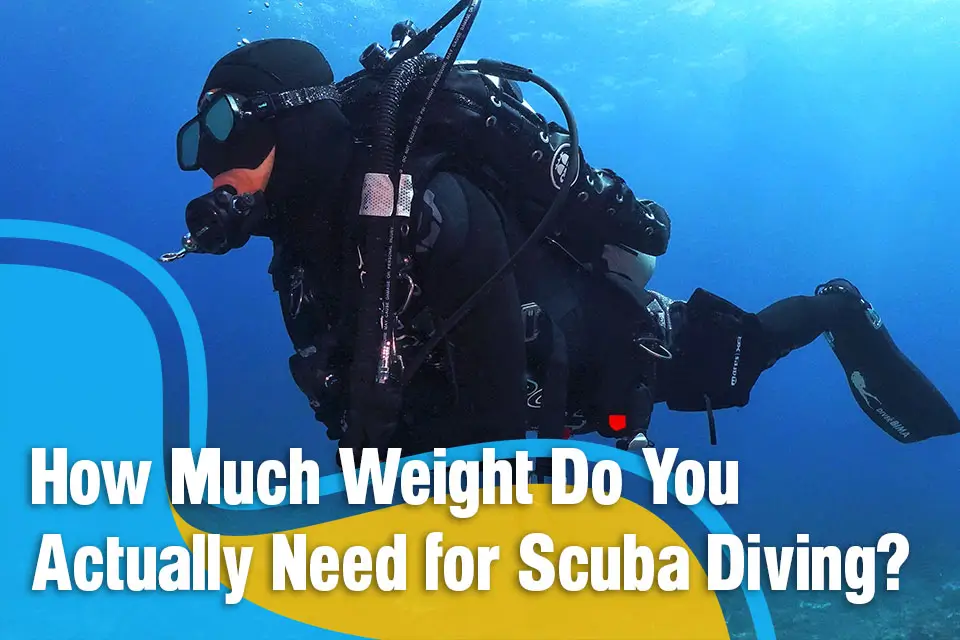
Ask a diver how much weight they use and you might hear a very confident answer. “Four kilos.” “Six kilos.” “I always use three.” The number is useful, but it is only part of the answer. The amount of weight you need for scuba diving can change with your wetsuit, cylinder, equipment, water type and…

Why Do My Ears Hurt When Scuba Diving?
Ear pain while scuba diving usually happens because water pressure increases as you descend. The pressure pushes against your eardrum, while the air inside your middle ear needs to be equalized to match the surrounding pressure. If the pressure is not balanced, you may first feel fullness or squeezing in your ears. Continue descending and…
Why Do I Use So Much Air When Scuba Diving?
You check your pressure gauge and see 60 bar. Your buddy checks theirs and still has 100. You started with similar tanks, followed the same dive, and have been underwater for exactly the same amount of time. So why are you using so much more air? First, don’t treat the number as a score. Using…
How to Take Better Underwater Videos Using Only Natural Light
Instead of buying expensive video lights, many divers can dramatically improve their underwater footage simply by understanding how sunlight behaves beneath the surface. Whether you’re filming with a GoPro, DJI Osmo Action, Insta360, Phone or a professional camera, learning to work with natural light often makes a bigger difference than upgrading your equipment. Throughout this…