


Scuba Diving Travel Insurance Might Save Your Trip One Day

Scuba diving travel insurance is something many travelers don’t think about until they face a problem. If you’re heading to a dream diving destination, the thrill of exploring marine life should be your biggest concern, not how you’ll pay for emergency care if something goes wrong. That’s where travel insurance comes in, especially when your itinerary includes activities like diving.
However, the big question remains: is scuba diving actually covered by regular travel insurance?
The Importance of Travel Insurance for Scuba Divers
Travel insurance is a safety net. It’s a policy you buy to protect yourself against the unexpected while traveling. It typically covers things like trip cancellations, lost luggage, medical emergencies, and sometimes, even your expensive gear. But when your plans involve active pursuits (like scuba diving), your policy may not cover everything unless you choose the right one.
Why is this important? Because things happen. A missed flight. Lost dive gear. A diving accident requiring emergency evacuation. Any of these could easily cost thousands. And without proper coverage, that cost comes out of your pocket. That’s why understanding the details of scuba diving insurance isn’t just useful, it’s essential.
Limitations of Standard Travel Insurance for Scuba Diving
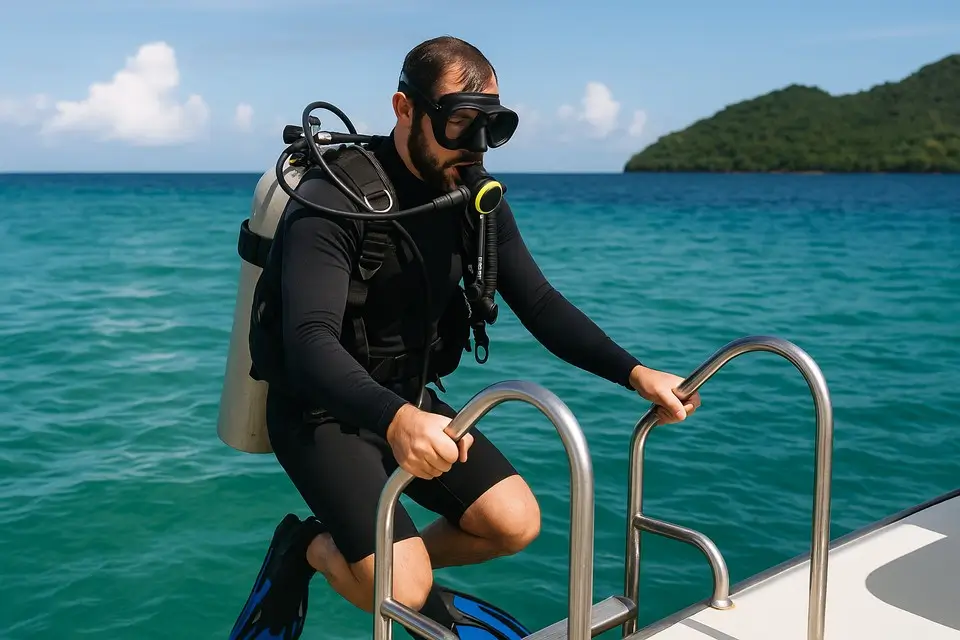
Unfortunately, many standard travel insurance policies do not cover scuba diving. It’s often classified as an “extreme” or “hazardous” activity, right alongside things like skydiving or mountain climbing. Because diving carries inherent risks such as decompression sickness, nitrogen narcosis, and equipment failure, insurers may exclude it to avoid high payouts.
In most standard policies, scuba diving will either be:
- Completely excluded (i.e., no coverage at all)
- Only covered up to a certain depth (e.g., 10 or 18 meters)
- Only covered if done with a certified instructor or as part of a guided tour
So, if you’re planning to go beyond these limits, say, exploring a wreck or cave diving, you could find yourself unprotected. That’s why it’s crucial to read the policy details and check whether scuba diving is included or not. Assuming you’re covered without confirmation can lead to unpleasant surprises.
What Type of Travel Insurance Covers Scuba Diving?
So, if your standard policy might not cut it, what kind of travel insurance does cover diving? Good news! There are a few options, and they’re not hard to access, if you know what to look for.
1. Choose a Policy with Built-In Diving Coverage
Some comprehensive travel insurance policies include scuba diving insurance as standard. These policies typically come from insurers who cater to adventure travelers. You may still need to check depth limits or certification requirements, but they’re often more lenient.
2. Add It On as a Water Sports Extra
Many insurance providers let you add coverage for scuba diving as an optional extra. It’s usually called “adventure sports,” “hazardous activities,” or “water sports cover.”
This add-on often increases your premium a bit, but the protection it provides is well worth it. This is especially true if you’re planning multiple dives or want to go deeper than beginner levels.
3. Get Specialist Scuba Diving Travel Insurance
If you’re a seasoned diver, this is often your best bet. Companies like DAN (Divers Alert Network) and DiveAssure offer policies specifically designed for scuba divers. These policies include things like emergency hyperbaric treatment, search and rescue, equipment replacement, and repatriation. They understand diving risks better than general insurers.
Also, the best scuba diving travel insurance tends to come from these specialist providers. Why? Because they know the dive industry and offer targeted support when things go wrong, not just a generic claims process.
What Will Travel Insurance Cover for Scuba Diving vs. What’s Not Covered?
Understanding what’s included and what’s not can save you from nasty surprises. Here’s a breakdown to help you compare:
|
Covered by Scuba Diving Insurance |
Not Typically Covered |
|---|---|
|
Emergency medical treatment after a dive accident (like decompression sickness) |
Diving without proper certification |
|
Hyperbaric chamber treatment |
Diving beyond policy depth limits |
|
Evacuation and emergency transport |
Wreck, cave, or deep diving without add-ons |
|
Lost or stolen diving equipment |
Pre-existing medical conditions unless disclosed |
|
Trip cancellation due to diving-related injury |
Incidents under the influence of drugs or alcohol |
|
Search and rescue in dive accidents |
Reckless or unplanned dive behavior |
|
Accidents during guided dive trips |
Personal negligence or ignoring dive briefings |
It might feel boring to read all the policy documents, but it’s really important. Some insurance plans only cover scuba diving if you are with a certified guide or part of an organized trip. If you go on a solo dive or even just with a buddy, you might not be covered at all.
What to Do During a Dive Emergency
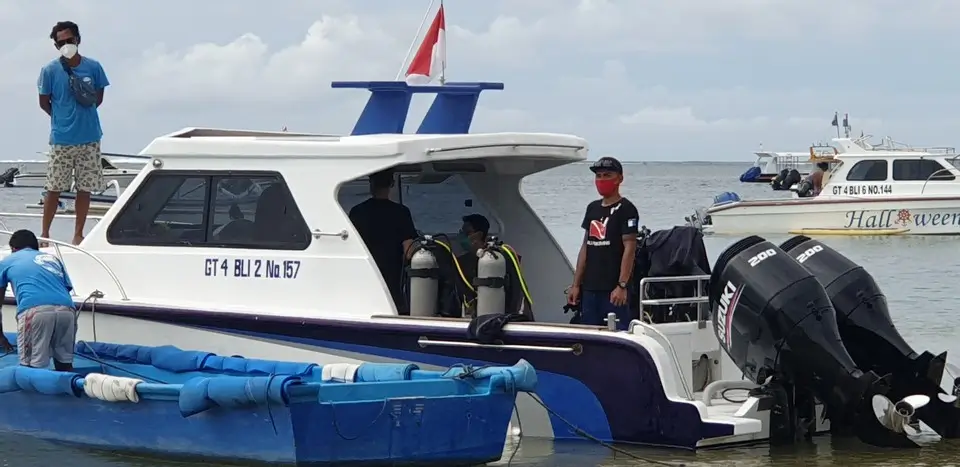
Even with the best planning, things can still go wrong underwater. Knowing what to do in a dive emergency can help protect your safety and support your insurance claim later. Here are some important steps to follow:
Tips for Getting the Right Travel Insurance for Divers

Choosing the cheapest scuba diving travel insurance isn’t always smart. Sometimes, cheaper means less protection. Here are some simple tips to help you choose the right one:
1. Always Declare Your Diving Plans
When applying for travel insurance, don’t skip details. Tell your insurer you’re planning to dive. Mention the location, depth, type of dives, and your certification level. This avoids any loopholes if you need to file a claim.
2. Choose Insurers with Diving Experience
Go for providers who understand diving. Specialist insurers like DAN or DiveAssure not only offer tailored policies but can also assist during emergencies. Their staff often include divers themselves, so they know what you’re talking about.
3. Read Policy Documents Carefully
Yes, it’s boring, but it’s necessary. Look out for the following:
- Maximum depth limits
- Exclusions for certain types of dives (wrecks, caves, night dives)
- Repatriation coverage
- Emergency medical limits
- Whether you’re covered after returning home
Some policies won’t cover treatment after you leave your dive destination. That’s a big deal if complications appear later.
FAQs about Scuba Diving Travel Insurance
With the current global travel conditions and changing weather patterns, unexpected situations can sometimes affect travel plans. Flight disruptions, health issues, or sudden itinerary changes may happen even during a well planned trip.
For this reason, it is strongly recommended that travelers arrange their travel insurance from their home country before starting their journey to Bali.
Having travel insurance ready in advance can help travelers deal with unforeseen situations during the trip, whether it involves medical assistance, travel delays, or unexpected changes to a diving schedule.
Preparing travel insurance is a simple step that can provide peace of mind, allowing travelers to focus on enjoying their diving experience in Bali.
Share this Article