


Invite Kids to Try Diving Instead of Staying on Screens
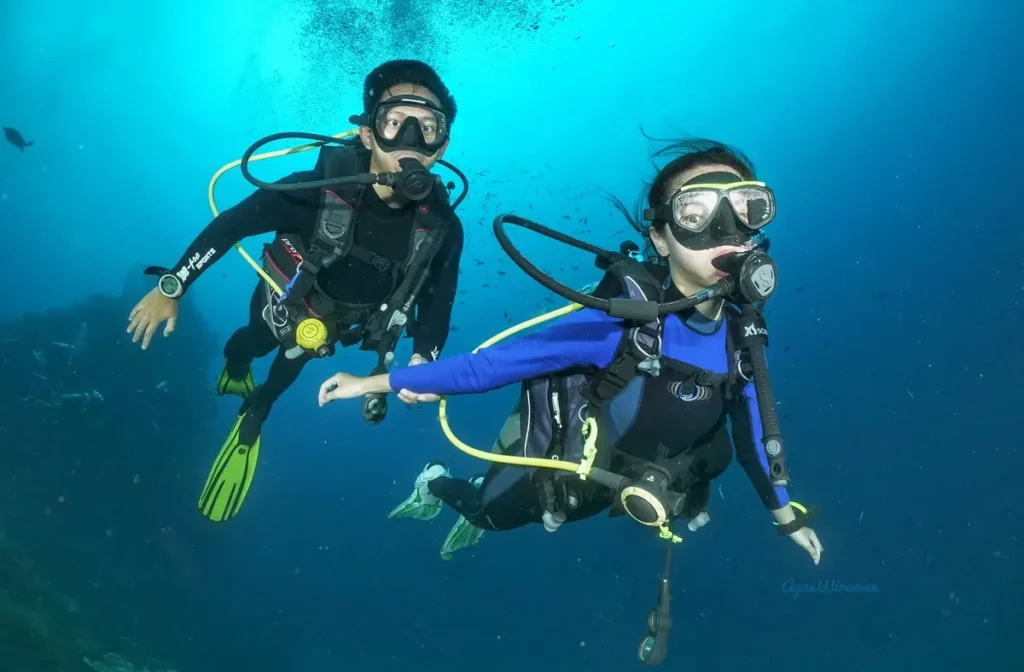
If you enjoy diving, it is natural to want your kids to experience it too.
Instead of spending most of their time on phones or games, diving gives them something real to focus on. It becomes a shared experience where the whole family is present, not distracted by screens.
It also makes trips easier, because everyone can enjoy the same activity together, not doing separate things.
More than that, it becomes something you can experience and remember as a family.
Why Parents Play an Important Role
Kids don’t step away from screens on their own.
They follow what is available.
That is where parents guide them. If you enjoy diving yourself, it becomes easier to introduce it to your kids as something real.
Not by forcing them, but by sharing an experience you already enjoy.
Learning Without Feeling Like Learning
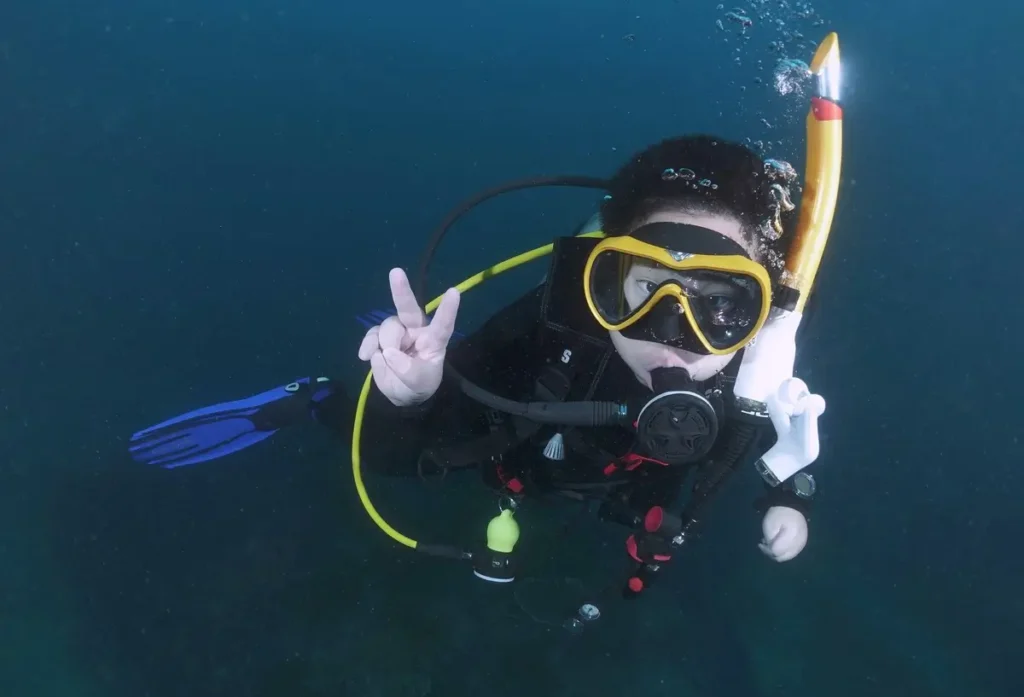
Diving teaches important skills, but it does not feel like a lesson.
Kids start to:
- stay calm in a new environment
- follow simple instructions
- build confidence step by step
They also become more aware of nature and how to respect it.
These are small things, but they grow naturally through the experience.
A Safe and Comfortable Way to Start
Diving for kids is designed to be safe, simple, and enjoyable.
In calm areas like Amed or Tulamben, conditions are often ideal for beginners.
Kids stay in shallow water, with close supervision, and everything is adjusted to their level.
There is no pressure to go deep or do something difficult.
The goal is simple.
Feel comfortable and enjoy the experience.
Steps for a Junior Dive Experience
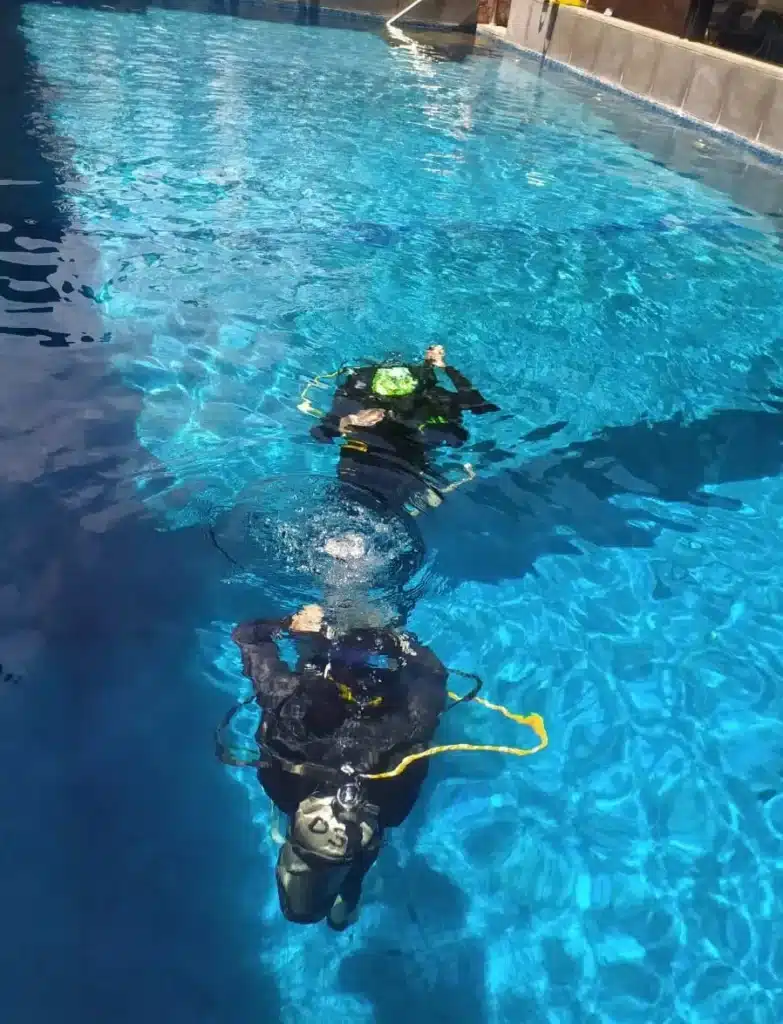
A junior dive is designed to be easy and comfortable. Everything is done step by step so kids can enjoy the experience without feeling overwhelmed.
More Than Just Fun
Diving is fun, but it also gives something deeper.
It can help kids:
- build confidence: Kids realize they can stay calm and handle something new, which makes them feel more sure of themselves.
- improve focus: They pay attention to breathing and movement, helping them stay present without distractions.
- feel more connected to nature: Seeing marine life up close helps them understand and appreciate the ocean in a real way.
Studies and diving programs also show that hands-on experiences like diving support learning and curiosity better than passive screen time.
The Moments Kids Remember
When kids look back at their trip, they may not remember the games they played.
But they will remember:
- seeing fish up close
- breathing underwater for the first time
- feeling proud of trying something new
These moments stay longer because they are real.
Share this Article