


What We Learned After Guiding Hundreds of Beginner Divers
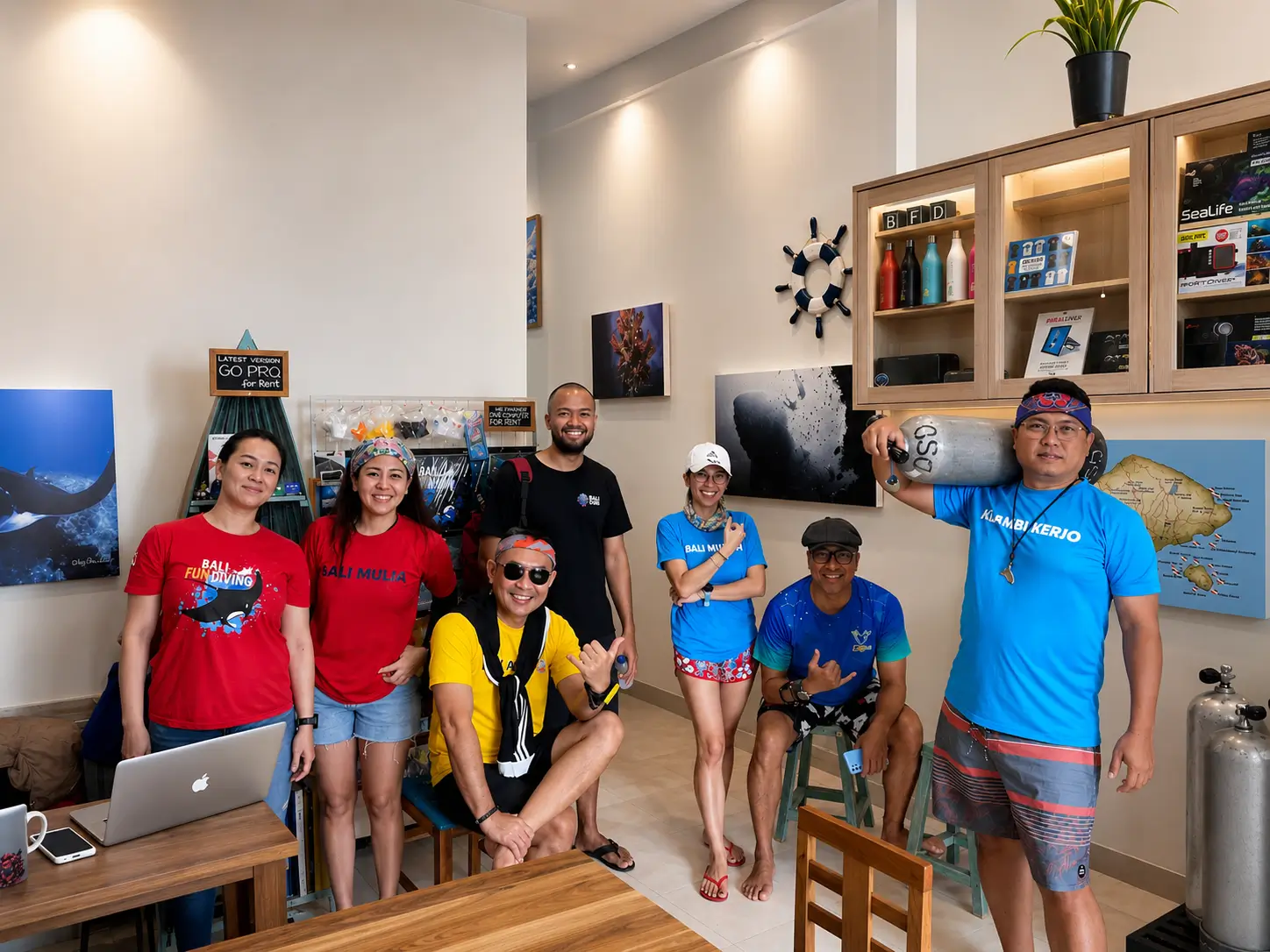
Every year, people choose to learn scuba diving in Bali for many different reasons. Some are visitors who have always wanted to explore the underwater world. Others are people who live in Bali and finally decide it is time to try something new right on their doorstep.
Some have dreamed about scuba diving for years. Others discover it while looking for a new hobby, a new challenge, or a new way to experience the ocean.
At Bali Fun Diving, we have guided hundreds of beginner divers over the years. Some students arrive excited and ready to jump in. Others feel nervous before they even put on their diving equipment. After teaching people from different countries, age groups, and backgrounds, we have noticed certain patterns that appear again and again.
Many beginners share similar concerns, challenges, and memorable moments during their first diving experience. Some of the things we expected turned out to be true. Others surprised us.
These are some of the most valuable lessons we have learned from helping new divers take their first breaths underwater.
Most Beginners Are More Nervous Than They Admit
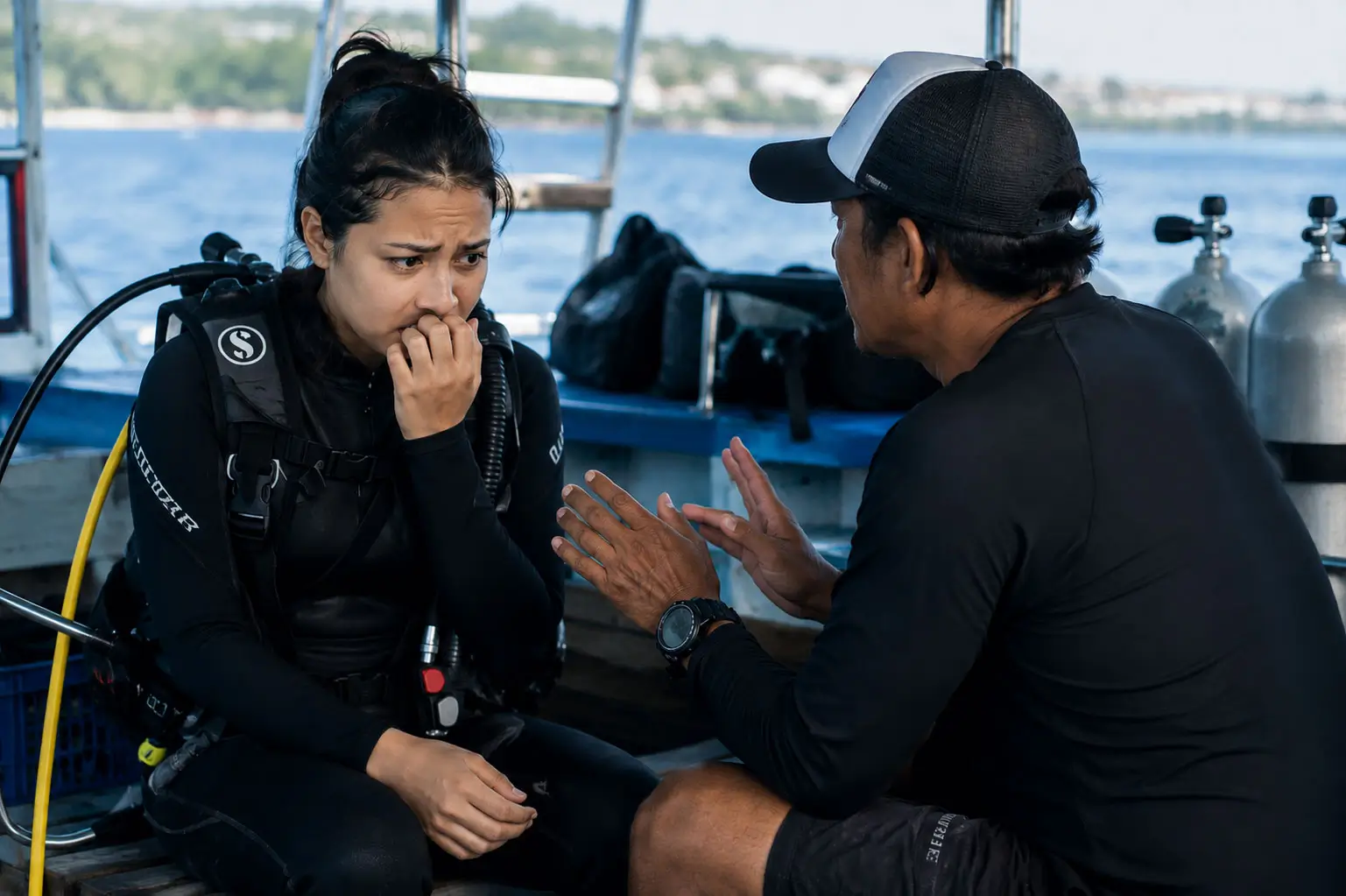
One thing we have learned is that feeling nervous is completely normal.
Many first-time divers worry about things such as breathing underwater, clearing their mask, or remembering all the skills they learned during the briefing. Even people who look confident on the surface often have questions running through their minds.
The interesting part is how quickly those fears usually fade.
Once beginners discover that breathing through a regulator feels natural and that their instructor is right beside them, they often become much more relaxed. What seemed intimidating on land suddenly feels manageable underwater.
Some students even laugh after their first dive because they realize they spent more time worrying about the experience than actually needing to.
Being Relaxed Matters More Than Being Athletic

Many people assume that strong swimmers automatically become great divers.
In reality, that is not always the case.
Over the years, we have seen athletic students struggle because they move too quickly or try to control every situation. At the same time, we have seen people with average swimming ability become comfortable divers because they stay calm and follow instructions carefully.
Scuba diving is not about speed or strength.
It is about breathing slowly, staying relaxed, and moving efficiently underwater.
A calm diver often uses less energy, consumes less air, and enjoys the experience more than someone who tries to rush through it.
The Biggest Change Happens When Divers Stop Thinking About Themselves
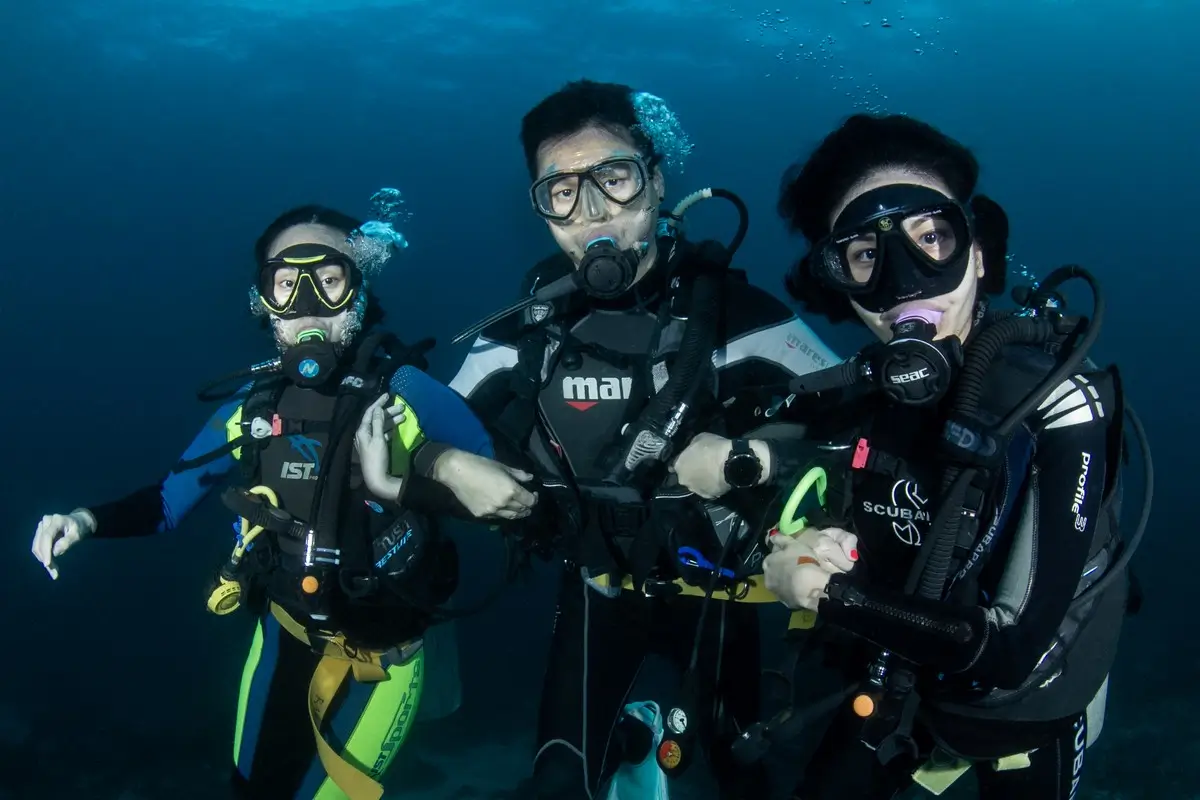
During the first part of training, beginners are usually focused on their equipment and skills.
They think about their breathing, buoyancy, hand signals, and whether they are doing everything correctly.
Then, at some point, their attention shifts.
Instead of thinking about themselves, they begin looking around.
They notice fish swimming nearby. They start observing the reef. They pay attention to how sunlight filters through the water.
This is often the moment when diving changes from a lesson into an experience.
You can almost see it happen. A diver who was concentrating on every detail suddenly begins enjoying the underwater world around them.
The Small Moments Are Often the Most Memorable
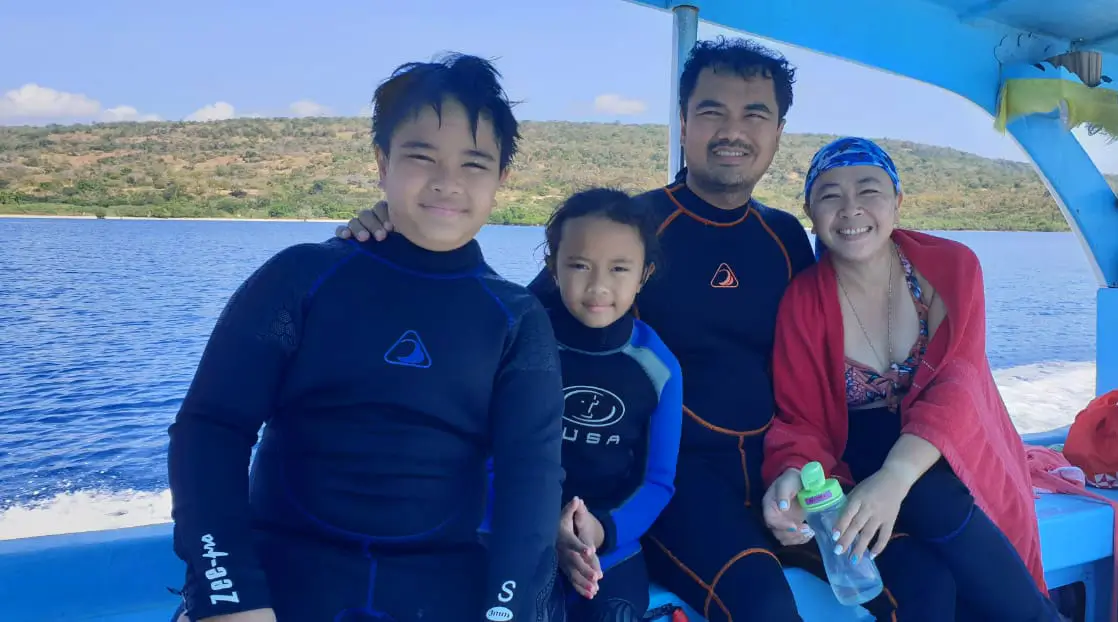
Before learning to dive, many people imagine that their best underwater memory will involve a shark, manta ray, or another large marine animal.
While those encounters can certainly be unforgettable, they are not always the moments divers talk about years later.
Some of the memories we hear most often are surprisingly simple.
- A first breath underwater.
- A clownfish hiding in an anemone.
- A sea turtle passing quietly in the distance.
- The feeling of floating effortlessly for the first time.
- Watching a school of fish move together as if they were a single animal.
We have learned that the moments divers remember most are often the unexpected ones. A small discovery, a new feeling, or a brief encounter can leave a lasting impression long after the dive ends.
Everyone Learns at a Different Speed

One mistake many beginners make is comparing themselves to others in the group.
Some students master certain skills almost immediately. Others need extra time and practice.
Neither approach is better.
Learning to dive is not a competition.
One person may feel comfortable underwater right away but need more time to improve buoyancy. Another may take longer to relax initially but quickly develop strong diving habits later.
The goal is not to be the fastest learner.
The goal is to become a safe, confident, and comfortable diver.
Common Challenges We See in Beginner Divers
|
Challenge |
What We Often See |
What Usually Helps |
|---|---|---|
|
Feeling nervous before the dive |
Some beginners worry about breathing underwater, making mistakes, or not being able to complete the dive. |
A thorough briefing, slow progression, and time to get comfortable in shallow water. |
|
Trusting the equipment |
New divers sometimes hold their breath or take unusually large breaths because using a regulator feels unfamiliar. |
Practicing breathing slowly and realizing the equipment works exactly as designed. |
|
Trying to do everything perfectly |
Many beginners focus so much on performing skills correctly that they forget to relax and enjoy the dive. |
Understanding that learning is a process and mistakes are a normal part of training. |
|
Moving too quickly underwater |
Excitement often causes beginners to swim faster than necessary. |
Slowing down, conserving energy, and focusing on controlled movements. |
|
Looking everywhere at once |
The underwater world is full of things to see, making it difficult for beginners to focus. |
Taking time to observe one area at a time and moving more slowly. |
|
Managing buoyancy |
Maintaining neutral buoyancy can feel challenging during the first few dives. |
Practice, patience, and listening to instructor feedback. |
|
Faster breathing |
Nervousness or excitement can lead to quicker breathing and higher air consumption. |
Staying calm, breathing slowly, and becoming more comfortable underwater. |
|
Comparing themselves to others |
Some students worry because another diver seems to learn faster. |
Focusing on personal progress rather than comparing skills with other people. |
|
Task overload |
New divers are learning multiple skills while experiencing a completely new environment. |
Breaking skills into smaller steps and building confidence gradually. |
|
Fear of making mistakes |
Beginners often believe every mistake will ruin the dive. |
Learning that small mistakes are part of training and can be corrected safely with instructor guidance. |
Final Thoughts
At Bali Fun Diving, one of the most rewarding parts of our work is watching beginners discover a world they never knew existed.
After guiding hundreds of first-time divers, we have learned that success underwater has very little to do with being the strongest, fastest, or most fearless person in the group.
The people who enjoy diving the most are often those who stay patient, remain curious, and allow themselves time to learn.
Many arrive wondering whether they can do it.
Most leave wondering when they can dive again.
And for some, that first dive becomes the beginning of a lifelong connection with the ocean.
