

Scuba Diving in the Rain: What to Know Before You Dive
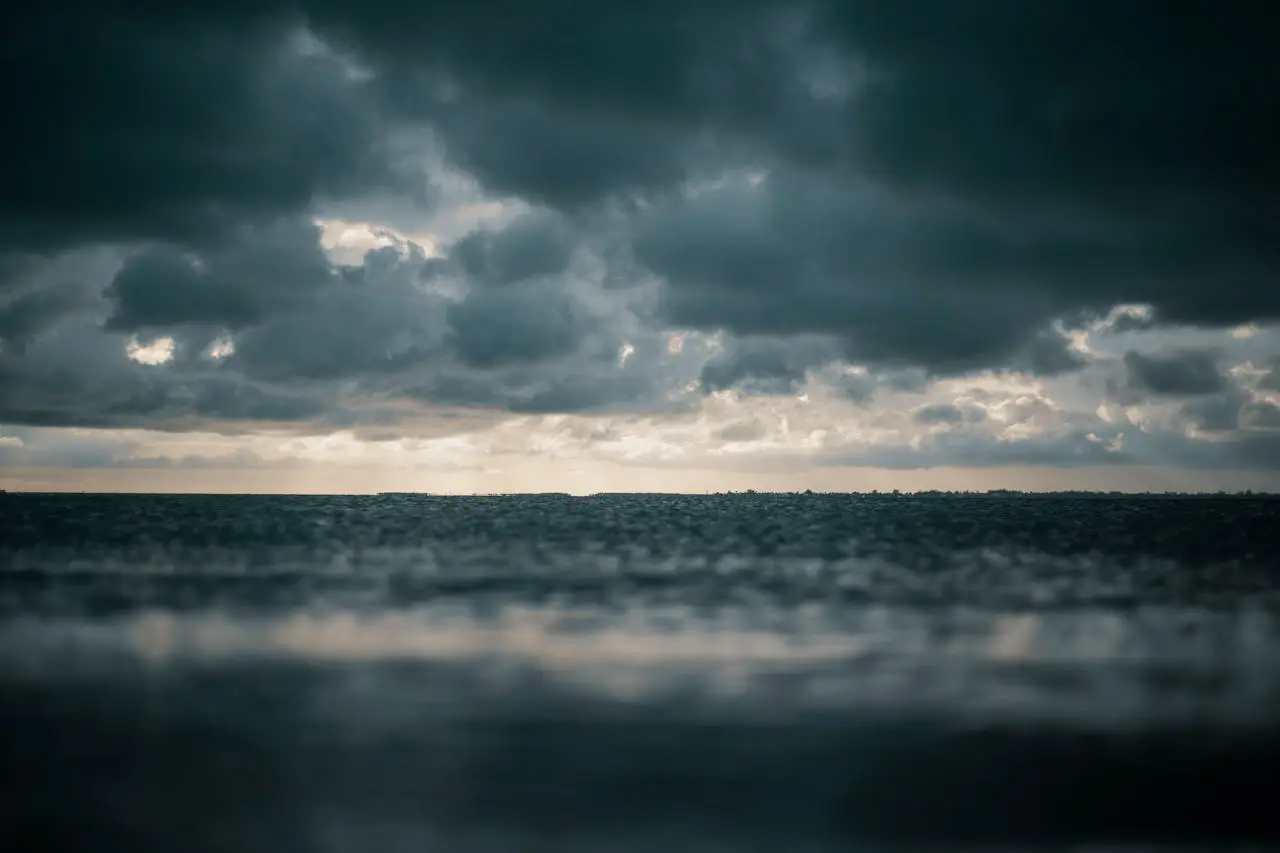
Rain is tapping on the boat roof, but you’re going to get wet anyway. Does a little more water really change your dive? A passing shower does not automatically mean cancelling your plans. Scuba diving in the rain can still be enjoyable when the sea conditions, visibility and weather outlook are suitable.
A light shower is very different from a thunderstorm. Before heading out, your dive operator will need to assess the full picture, including the boat journey, entry and exit points, and your experience level.
Can You Scuba Dive in the Rain?
Yes, light rain does not automatically mean a dive must be cancelled. Raindrops mainly disturb the surface, so the view below can be quite different from the weather above. However, rain alone cannot tell you whether a site is safe. Wind, swell, currents, runoff and the chance of lightning all matter.
Your guide and boat crew may choose a more sheltered site, delay departure or reschedule. If you feel uncomfortable with the plan, say so before entering the water. There is no need to push through a dive just because it is on the itinerary.
Diving in the Rain: Pros and Cons
|
What Matters |
+ Possible Benefits |
− Potential Drawbacks |
|---|---|---|
|
Atmosphere |
Softer light can give a familiar reef a different mood. |
Less light may make navigation and photography more demanding. |
|
Crowds |
Some sites may be quieter if fewer trips run. |
Fewer divers are not guaranteed; trips may also be delayed or changed. |
|
Marine life |
Reefs and fish can still offer a rewarding dive. |
Rain does not guarantee more animals or special encounters. |
|
Comfort |
Cloud cover can make the surface feel less hot. |
Rain and wind can leave you chilled between dives. |
|
Conditions |
A sheltered site may remain suitable during a passing shower. |
Runoff, rough seas, poor visibility or lightning can mean postponing. |
What Happens When You Dive in the Rain
Why Visibility Can Change
Cloud cover can make a dive darker without necessarily making the water murkier. Reduced light and reduced water clarity are different things. Heavy rainfall can wash sediment from land into coastal water, while waves can lift sand and silt from the seabed. Conditions may remain affected after the rain stops.
The effect varies by site, recent rainfall, tides and water movement. Deeper water is not a guaranteed escape from poor visibility, and diving deeper is not a solution. Ask your guide about current conditions and stay within your training and planned depth.
A Different Mood on the Reef
Softer light can give a familiar reef a different mood. You may also find a quieter site if fewer trips are running, although rain does not guarantee fewer divers. When conditions are suitable, a rainy day can still offer plenty to notice without a wide, sunlit view.
What About Marine Life?
Fish do not disappear when a shower starts, but rain does not guarantee more marine activity or special sightings either. Encounters depend on the site, species, currents and other conditions. Enjoy what is there, keep your distance and avoid chasing animals for a photograph.
Important Safety Rules
If weather deteriorates during a dive, follow the guide’s recall and exit procedures while maintaining a controlled ascent. Staying underwater is not a safe way to wait out lightning. Divers Alert Network explains the risks in its guide to weather and dive travel.

Stay Comfortable Between Dives
Pack for the surface interval. Bring a rain jacket or windbreaker, a dry towel and a change of clothes. Keep your phone and spare clothing in a dry bag. Wet skin and wind can leave you chilled between dives, even in a tropical destination.
Choose exposure protection for the water temperature. Ask your operator what wetsuit is appropriate for the site and planned dives. Rain at the surface does not tell you the temperature at depth. Tell your guide if you are cold rather than continuing just to finish the dive.
Plan a Flexible Dive Day in Bali
Rain in one part of Bali doesn’t necessarily mean poor diving conditions across the island. Weather and sea conditions can vary between dive sites, so it’s worth checking the latest forecast and local conditions before heading out. Keep your schedule flexible, as changes in weather, visibility, or sea conditions may require adjusting the departure time or choosing a different dive location.
If you are organising a longer visit, our tips for planning a diving trip in Bali can help you prepare.
