


Pearl Diving Feels Like a Once in a Lifetime Travel Experience

Not every underwater adventure is filled with colorful fish or coral gardens. Some dives feel quiet and personal. They take you away from modern life and bring you closer to the past. That is what pearl diving offers. It is not just about looking for treasure. It is about patience, courage, and understanding a way of life that once supported whole communities. For many, trying pearl diving feels like a journey you never forget.
What Is Pearl Diving and Where Did It Begin
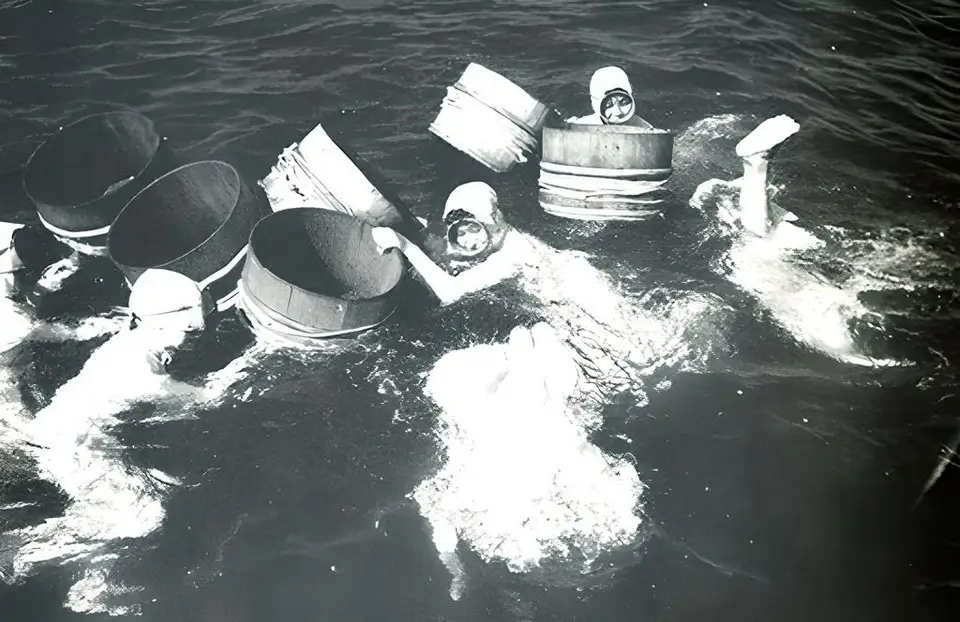
Pearl diving is one of the oldest types of diving in the world. Long ago, people from places like Japan, the Middle East, and Southeast Asia would dive into the sea without any tanks or safety gear. They held their breath and searched the ocean floor for oysters. Inside those oysters, they hoped to find pearls.
In countries like Japan, women known as Ama divers were famous for their skill. In the Persian Gulf, pearl diving was once the most important job in many coastal villages. These divers faced hard conditions, but it was their way to earn a living.
How Pearl Diving Is Different from Other Diving Trips
Modern diving is often about beauty. You float near coral reefs, watch turtles swim by, and breathe easily through your tank. Pearl diving is different.
This experience is about focus and stillness. Divers do not follow fish. Instead, they slowly feel around rocks and sand, trying to find oysters by touch. Most of the time, you do not know if there is a pearl inside. It is not a fast activity. It teaches you to be calm, to wait, and to respect the sea.
Here is a simple comparison to show how pearl diving stands apart from modern recreational dives:
|
Aspect |
Modern Recreational Diving |
Traditional Pearl Diving |
|---|---|---|
|
Purpose |
Enjoy scenery, marine life, and underwater photos |
Search for oysters that may contain pearls |
|
Movement |
Swim freely and explore reefs |
Stay focused in one area and search by hand |
|
Equipment |
Full scuba gear with oxygen tank |
Often done with just a mask, weights, and rope |
|
Pace |
Relaxed but mobile |
Slow and focused, with breath control |
|
Outcome |
Experience and enjoyment |
Possibly find a pearl, often uncertain |
|
Main Skill |
Buoyancy and navigation |
Breath-holding and manual search |
|
Environment |
Coral reefs, fish, open sea |
Seafloor with rocks, sand, and hidden oysters |
|
Emotional Feeling |
Fun and adventure |
Quiet, deep, and personal connection to tradition |
What Makes Pearl Diving So Dangerous

Pearl diving was once one of the most dangerous jobs in the world. Divers had no oxygen tanks, no wetsuits, and no high-tech safety tools. Many relied only on a rope, a simple nose clip, and their ability to hold their breath.
To sink faster, some tied heavy stones to their feet. Most dives lasted over a minute, but some divers pushed even longer. They had to move quickly at the bottom, search for oysters by touch, and return to the surface before running out of air.
The risks were real and serious:
Even today, pearl diving requires good training, strong swimming skills, and respect for the sea. Although some modern experiences are done in safer environments, the traditional way was tough and unforgiving.
How Pearl Diving Has Changed Over Time
Today, most pearl diving is done with help from technology. People use scuba tanks, wetsuits, and boats to reach deeper spots safely. Some pearl farms grow oysters in special areas to make the process faster.
However, in a few places, the old way is still alive. In Japan, you can still find Ama divers diving without tanks. Some tour programs also allow visitors to try the traditional method in safe, shallow water. This mix of old and new gives people a deeper respect for what pearl divers used to do.
What It Feels Like to Try Pearl Diving
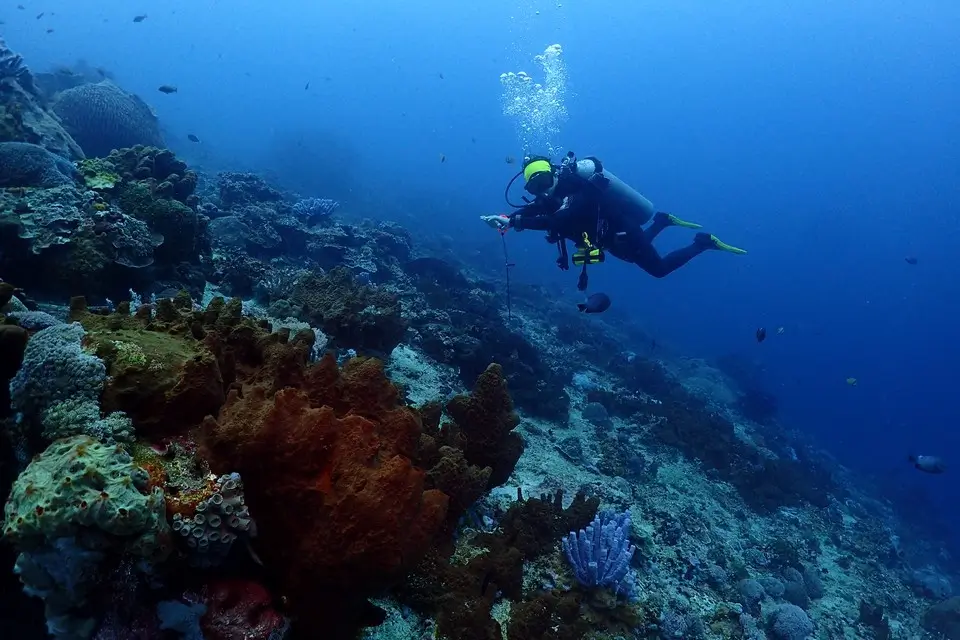
When you try pearl diving, you are not just going underwater. It feels like stepping into a world where every breath matters. Each movement is slow and careful. The only sound is your heartbeat. You reach out, feel the sand and rocks beneath your fingers, and wait with quiet curiosity.
Whether you find a pearl or not, you feel something deeper. You understand how strong and brave the old divers were. You realize how much patience and hope they needed each day. For many people, this experience is emotional. It shows them how simple things can have big meaning.
Pearl Farms and the Future of Sustainable Diving
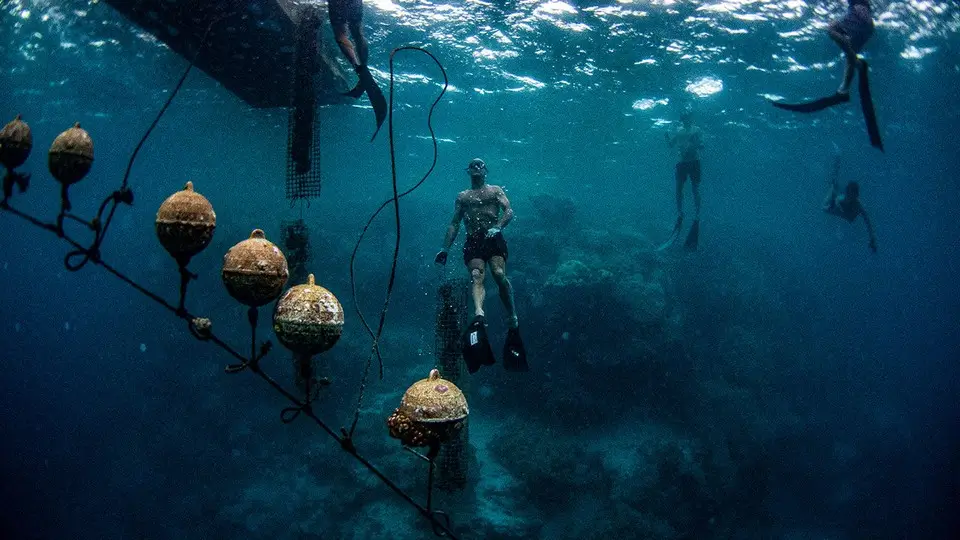
Today, many pearls come from cultured farms. These farms grow oysters in protected areas, helping them produce pearls over time. Some of these farms allow visitors to dive into the beds, open the oysters, and possibly find a pearl of their own.
Unlike the old methods, these modern farms often follow strict rules to protect marine life. They focus on responsible harvesting and care for the oyster populations. This more sustainable way of pearl diving supports local economies without harming the ocean.
Notable Pearl Farms Around the World
FAQs about Pearl Diving
Why Pearl Diving Is a Travel Experience to Remember
Many travel experiences are exciting, but few stay in your heart like pearl diving. This is not just an activity. It is a story you can feel, one that connects you to people from the past.
You come out of the water with more than just a memory. You carry the feeling of silence, effort, and something ancient. That is why people who try pearl diving say it is a once in a lifetime experience. Not because it is rare, but because it touches something inside that most trips never reach.
Share this Article