


What Divers Can Learn From Nyepi in Bali 2026
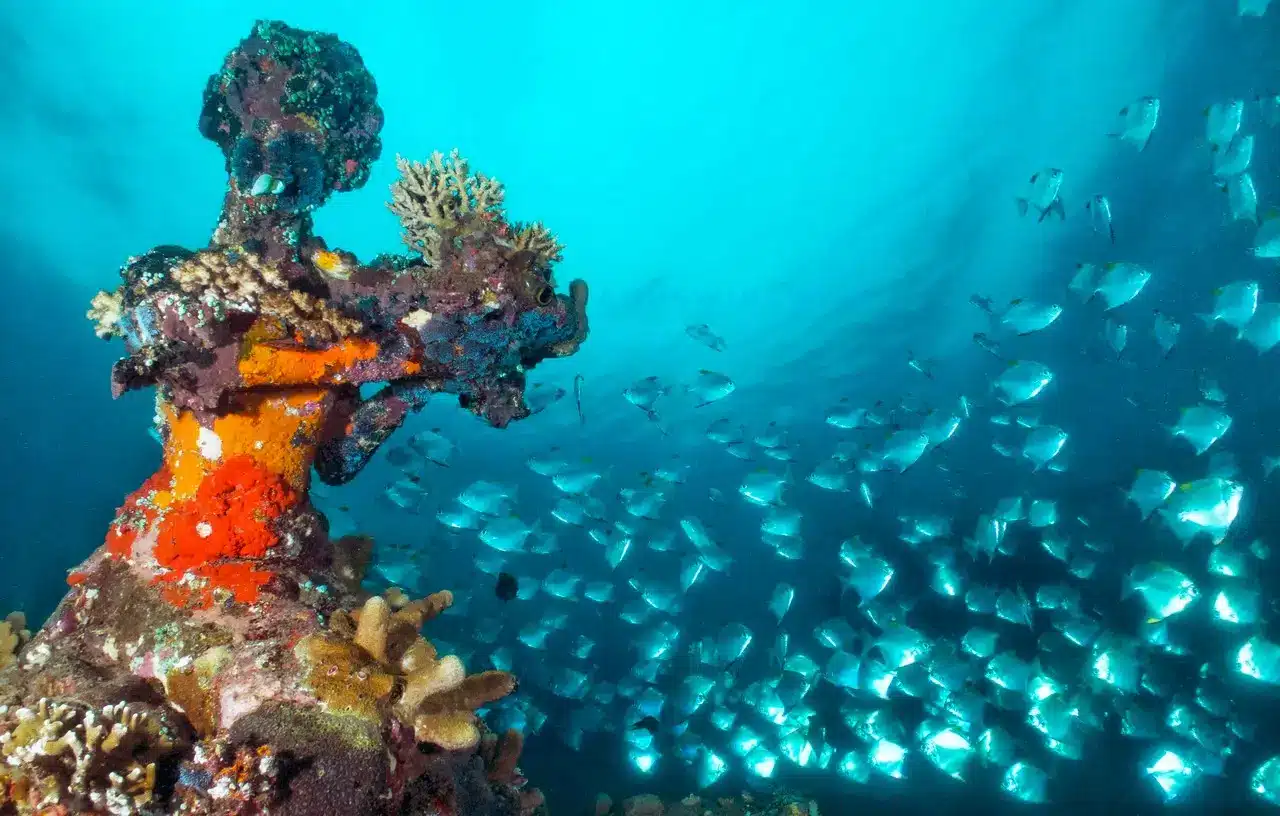
Once a year, Bali experiences a day that feels very different from normal. In 2026, Nyepi falls on March 19. During this day, special restrictions apply to both locals and visitors. Outdoor activities are limited, streets become very quiet, and most people stay at home or inside their accommodation to rest and reflect. Shops and attractions are closed, and even the airport stops operating for about 24 hours. For many visitors, this sudden change in atmosphere can feel surprising at first.
For divers, however, this sense of calm can feel quite familiar. Underwater, the environment is naturally quieter, and movements tend to slow down. With fewer distractions, people often become more aware of their breathing and surroundings.
This simple similarity offers an interesting perspective. Scuba diving is not only about exploring marine life or visiting dive sites. It can also be about learning to stay calm, becoming more present, and feeling comfortable in silence.
Understanding the Meaning of Nyepi in Bali
Nyepi marks the Balinese New Year based on the traditional Saka calendar. It is a day focused on reflection, rest, and harmony with nature. During this time, daily activities are greatly reduced, creating a quiet atmosphere across the island.
Do
- stay inside your home or accommodation
- rest and spend time in quiet reflection
- keep noise and activities to a minimum
- respect local traditions and the peaceful atmosphere
Don’t
- go outside for travel or outdoor activities
- create loud noise or play music
- work or run normal daily routines
- disturb the calm surroundings
The Similar Feeling Between Nyepi and Being Underwater

Divers often describe the underwater environment as peaceful and almost meditative. Sound travels differently in water, and many surface noises fade away. Instead, divers hear the soft rhythm of their breathing and the gentle movement of bubbles rising toward the surface.
Marine researchers and diving training organizations frequently mention that this quiet setting helps people feel more present. Without constant noise and distraction, attention naturally shifts to the surroundings.
Here is a simple comparison.
| Nyepi Experience | Diving Experience |
|---|---|
| Less noise and activity | Less external distraction |
| Time for reflection | Time to focus on breathing |
| Slower daily rhythm | Slower underwater movement |
| Respect for nature | Protecting reefs and marine life |
This similarity is not accidental.
Both situations remove pressure from daily routines.
How Silence Helps Divers Improve Awareness
When distractions are reduced, divers tend to become more observant. They notice small changes in buoyancy, the direction of currents, or the movement of fish and coral life. This awareness is important for both safety and enjoyment.
Scientific studies on mindfulness and environmental awareness suggest that quiet environments can improve concentration and sensory perception. In diving, this means better control underwater and a deeper appreciation of marine ecosystems.
Silence also helps divers feel more comfortable. Instead of rushing, they begin to move slowly and naturally. Over time, this builds confidence and makes each dive more enjoyable.
Why a Calm Mind Matters for Scuba Diving

Maintaining a calm mindset is one of the most important skills in diving. Training manuals from recognized diving organizations often explain that stress can lead to faster breathing, increased air consumption, and reduced focus.
Nyepi encourages people to pause and reflect. This mental reset can be compared to preparing for a dive. When divers enter the water with a relaxed state of mind, they are more likely to respond calmly to unexpected situations.
A calm diver
- Feels more confident: Relaxation helps the diver trust their skills and stay comfortable underwater, even in new or unexpected situations.
- Breathes more efficiently: Slow and steady breathing reduces air consumption and supports better buoyancy control.
- Reacts more clearly: A calm mindset allows the diver to think before acting, which improves safety and decision making.
- Uses less energy: Smooth and controlled movements prevent unnecessary effort, helping the diver stay relaxed for a longer time.
Learning Slow Breathing From the Spirit of Nyepi
One of the most noticeable changes during Nyepi is the slower pace of life. With fewer activities and less movement, people naturally settle into a calmer rhythm.
In scuba diving, breathing plays a central role. Controlled, steady breathing helps manage buoyancy and extends air supply. Diving instructors often teach beginners that relaxation underwater starts with the breath.
Respecting Nature Above and Below the Surface

Nyepi reflects a deep respect for the natural environment. By reducing light and noise, the community allows the island to rest. Some environmental groups have even observed temporary improvements in air quality and reduced human impact during this period.
Divers share a similar responsibility. Healthy oceans depend on careful behavior such as avoiding contact with coral reefs, maintaining good buoyancy, and observing marine life from a respectful distance.
Experiencing Nyepi can inspire divers to think more about sustainability. It reminds them that protecting nature is not only a duty but also a way to ensure future generations can enjoy the same underwater beauty.
A Different Way to Experience Diving in Bali
Scuba diving in Bali is often associated with vibrant marine life, famous wreck sites, and colorful coral reefs. While these attractions are important, the deeper value of diving can come from the mindset it encourages.
Nyepi in Bali highlights the importance of reflection, calmness, and balance. These qualities can enhance the diving experience, turning each dive into more than just an activity. It becomes a chance to reconnect with nature and with oneself.
For divers visiting the island, understanding this cultural perspective can add meaning to their journey. The ocean does not only offer beauty. It also offers perspective.
And sometimes, the quietest moments become the most unforgettable.
Share this Article