


The Unwritten Rules Divers Learn After a Few Trips
Most scuba diving courses focus on the important basics.
You learn how to use your equipment, communicate underwater, manage buoyancy, and stay safe during a dive. Those skills are essential, especially for beginners.
But after a few dive trips, many divers realize there is another side of diving that nobody really explains during certification.
It is not written in manuals or shown in classroom videos.
These are the small habits, quiet etiquette, and unspoken behaviors divers slowly understand through experience. Some are about respecting marine life. Others are about becoming a better buddy, staying calm, or simply learning how to be part of the diving community.
Over time, these little things often become just as important as technical diving skills.
Diving Is Not About Looking Experienced

Many beginner divers feel pressure during their first trips.
Some worry about using gear too slowly. Others feel nervous about air consumption, buoyancy, or accidentally making mistakes in front of more experienced divers.
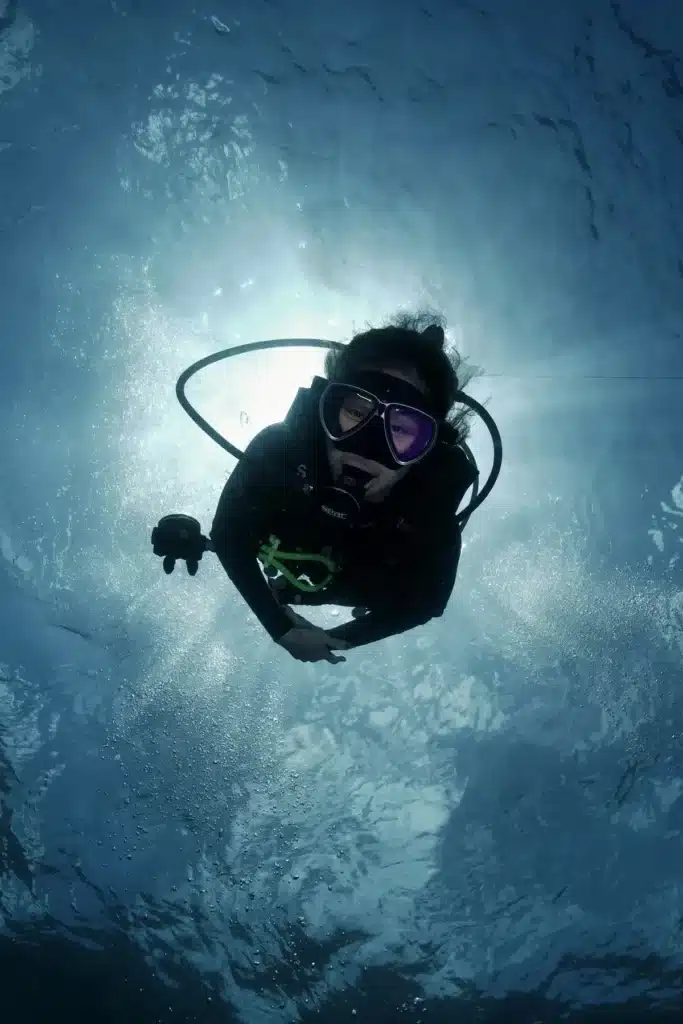
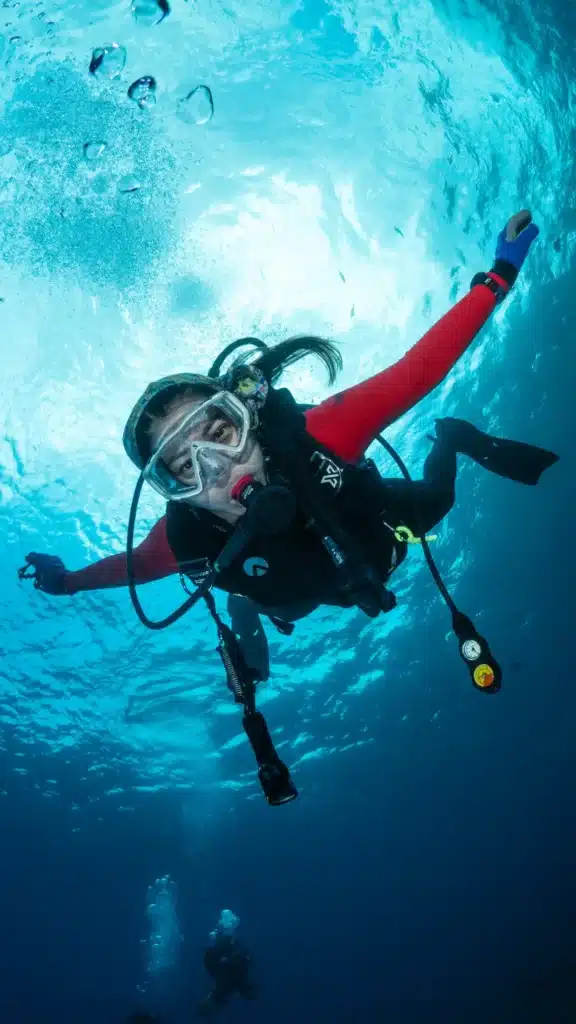
But one thing many people notice after a few dives is this: Experienced divers usually look calm, not flashy.
They move slowly underwater, stay relaxed on the boat, and rarely try to prove themselves. Good diving is often quiet and controlled rather than dramatic.
In reality, staying calm is one of the most valuable diving habits a person can develop.
Many new divers think confidence means moving fast or looking fearless. But underwater, calmness is often a sign of real experience.
Good Divers Respect Marine Life Without Being Told

One of the biggest unwritten rules in scuba diving is respecting the underwater environment.
Most divers quickly learn that touching coral, chasing turtles, or getting too close to marine life is generally discouraged, even if nobody says it directly during every dive.
Coral reefs are much more fragile than they look. According to NOAA, even small physical contact can damage coral tissue and affect reef ecosystems.
Marine animals can also become stressed when divers crowd them or block their movement.
This is why experienced divers often:
- keep a comfortable distance
- avoid sudden movements
- stay neutrally buoyant near reefs
- wait patiently during marine life encounters
Underwater photographers are a good example of this behavior. Many experienced photographers spend several minutes waiting quietly for the right moment instead of chasing fish around the reef.
Interestingly, marine life often behaves more naturally around calm divers.
The slower and more respectful the movement, the more likely divers are to enjoy meaningful underwater encounters.
The Best Dive Buddies Pay Attention Without Constant Talking
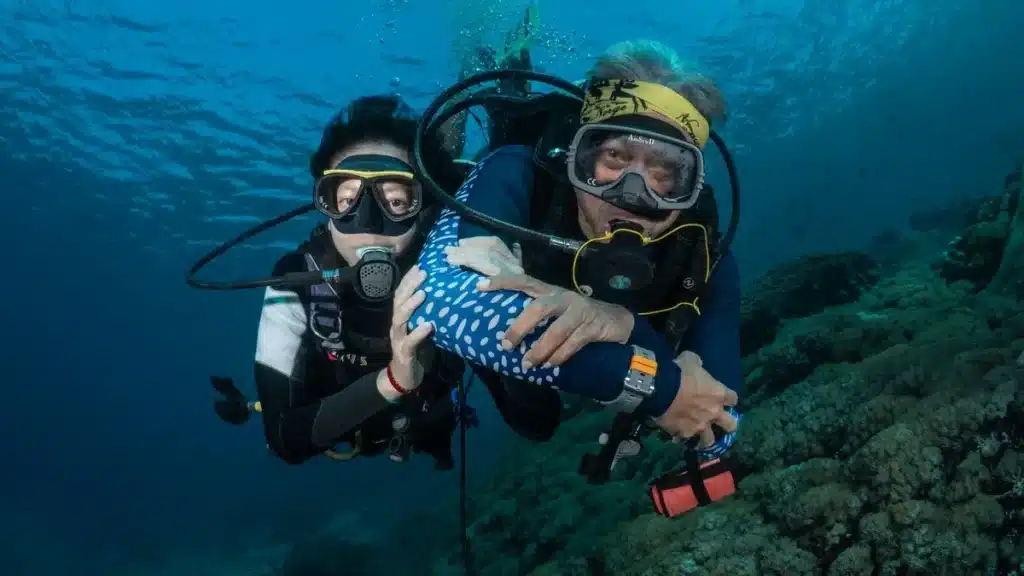
During open water training, divers learn basic buddy procedures.
But after more dive trips, buddy awareness starts feeling more natural and less mechanical.
Good dive buddies are not constantly signaling every few seconds. Instead, they quietly pay attention to each other throughout the dive.
Simple habits become important:
- checking where your buddy is
- noticing breathing patterns
- watching air levels occasionally
- slowing down if someone looks uncomfortable
- staying close enough without crowding
Many experienced divers can sense when their buddy is nervous long before a problem happens.
Sometimes small actions matter the most. Waiting for your buddy before descending, helping with equipment on the boat, or simply making eye contact underwater can make diving feel much safer and more enjoyable.
The best dive buddies usually make the dive feel easier, calmer, and more comfortable for everyone around them.
Boat Etiquette Becomes More Important After Your First Few Trips

Many beginner divers focus completely on the underwater part of diving.
But after several trips, divers realize boat etiquette matters too.
Dive boats are shared spaces, especially during busy dive days. Being organized and aware of others helps everything run more smoothly.
Experienced divers usually:
- prepare gear before briefings end
- avoid blocking walkways with equipment
- keep personal items tidy
- enter and exit the water calmly
- help others when needed
Listening carefully during dive briefings is also part of good diving etiquette.
Dive guides often provide important information about:
- currents
- entry points
- marine life behavior
- safety procedures
- local conditions
Even experienced divers pay attention because every dive site is different.
Boat etiquette is not about strict rules or perfection. It is mostly about respect for the crew, dive guides, and other divers sharing the experience.
Experienced Divers Usually Move Slower Underwater

One thing many beginner divers notice quickly is how slowly experienced divers move underwater.
At first, it can seem strange.
New divers often swim faster than necessary because they are excited, nervous, or still adjusting to buoyancy control.
But over time, most divers realize slower movement has many advantages.
Slow divers often:
- maintain better buoyancy
- conserve energy
- use less air
- avoid stirring sand
- scare fewer marine animals away
Fish and reef creatures are usually more comfortable around calm movement.
Fast kicking and sudden direction changes can disturb marine life and reduce visibility, especially at sandy or silty dive sites.
Slower movement also helps divers become more observant.
Instead of rushing through the reef, experienced divers tend to notice:
- tiny nudibranchs
- camouflaged frogfish
- shrimp hiding in coral
- unusual textures and reef details
Many divers discover that slowing down actually makes diving more interesting.
Not Every Dive Needs to Be Perfect

Social media sometimes creates unrealistic expectations about scuba diving.
People often see crystal-clear water, massive manta rays, and perfect visibility online. But real diving conditions change constantly.
One of the unwritten lessons divers eventually learn is that not every dive needs to be extraordinary to still be enjoyable.
Sometimes the best memories come from:
- funny moments on the boat
- improving buoyancy
- seeing a small creature for the first time
- sharing the experience with good dive buddies
Experienced divers usually stop chasing “perfect dives” all the time.
Instead, they learn to enjoy the ocean as it is on that particular day.
The Diving Community Notices Attitude More Than Skill
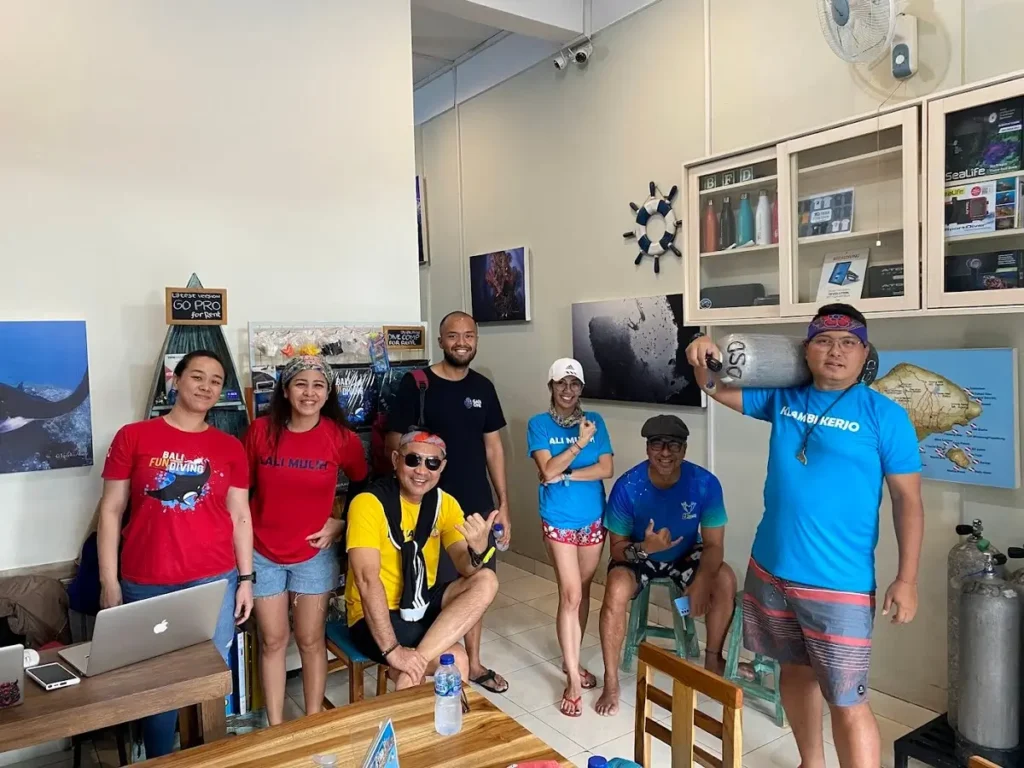
Certification levels matter in diving, but attitude often matters more in the long run.
The diving community is surprisingly small. Divers, instructors, and guides often remember people based on how they behave rather than how advanced they are.
Divers who are respectful, humble, and easy to dive with usually leave the best impression.
That includes:
- being willing to learn
- accepting feedback calmly
- respecting local dive guides
- helping newer divers
- staying positive during difficult conditions
Even highly experienced divers continue learning.
Ocean conditions change constantly, and every dive site offers something different. The divers who grow the most are usually the ones who stay curious and open-minded.
In many ways, good attitude becomes part of good diving.
Diving Slowly Becomes More Than Just a Sport
After enough dive trips, many people realize scuba diving is not only about marine life or certifications anymore.
It becomes about awareness.
It becomes about feeling more connected to the experience itself, the underwater world, and the people sharing the dive with you.
The unwritten rules divers learn over time are usually not strict rules at all. They are small habits that help make diving safer, calmer, and more enjoyable for everyone underwater.
And often, those quiet habits are what truly separate experienced divers from beginners.
